Zoom
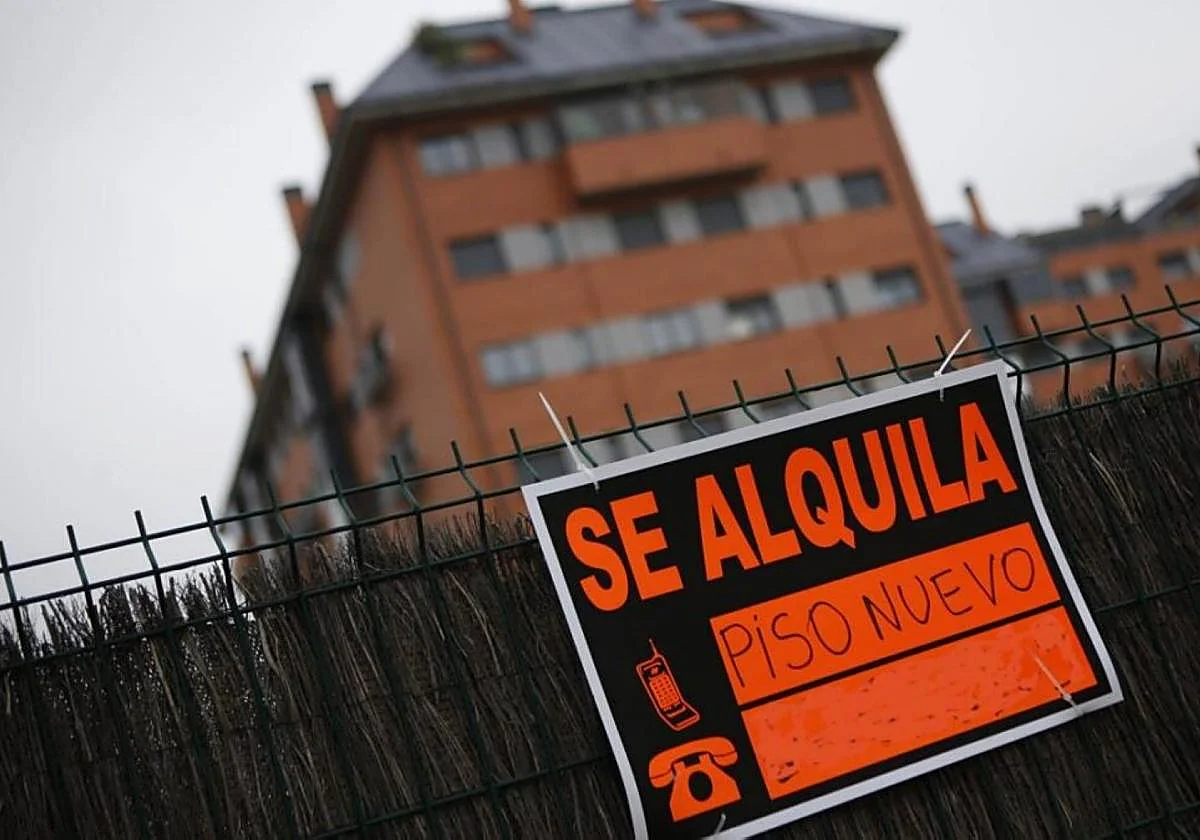
Poster advertising a rental flat. SUR Housing Andalusian regional government receives 10,811 applications for young tenant subsidies in one week34.2 million euros in grants of up to 250 euros will be awarded and another 4,189 applications can still be submitted
JOSÉ LUIS PIEDRA
sevillA.
Friday, 23 January 2026, 16:00
The Andalusian regional government has received thousands of applications in the latest round of the Bono de Alquiler Joven. This subsidy offers 250 euros per month in rent to support low-income tenants between the ages of 18 and 35.
The Junta registered a total of 10,811 applications in just one week. The maximum is 15,000, which means that the process is still open for another 4,189 applications.
The regional ministry of public work is responsible for handling these subsidies. This new call for applications was possible thanks to a 34.2-million-euro grant from the central government.
The grants will be awarded on a non-competitive basis, i.e. on a first-come, first-served basis, until the funds are exhausted.
This subsidy is aimed at young people who live in rented accommodation and have an income of less than three times the Iprem (the income index that determines eligibility for public aid), if it is one person, and four times the Iprem, if it is a family unit.
Previous calls have been very successful, with a high level of participation and a total of 24,463 applications processed, of which 17,418 were successful.
Applicants can trace the progress of the call on the website of the regional ministry of public work. Those who have not applied yet but wish to do so, can also use the website's guidance manual, which explains how to complete the application, submit documentation and respond to the most frequently asked questions.
In anticipation of additional state funding for the Bono Alquiler Joven scheme, the Andalusian regional government designed the regulatory framework for these grants years ago so that the programme could be opened and closed on a provisional basis, depending on the number of applications received and the funds available.
This approach allows the regional ministry to streamline the application process, which proved somewhat complex in the first round due to the criteria set by the Ministry of Housing and the urban agenda.
The rented property or room must be the applicant's usual and permanent residence during the period covered by the subsidy. This must be proven through registration on the municipal census (padrón).
In the case of a family unit, a collective census certificate for all family members will be required, together with documentation such as the rental contract or agreement granting use of the property.