Zoom
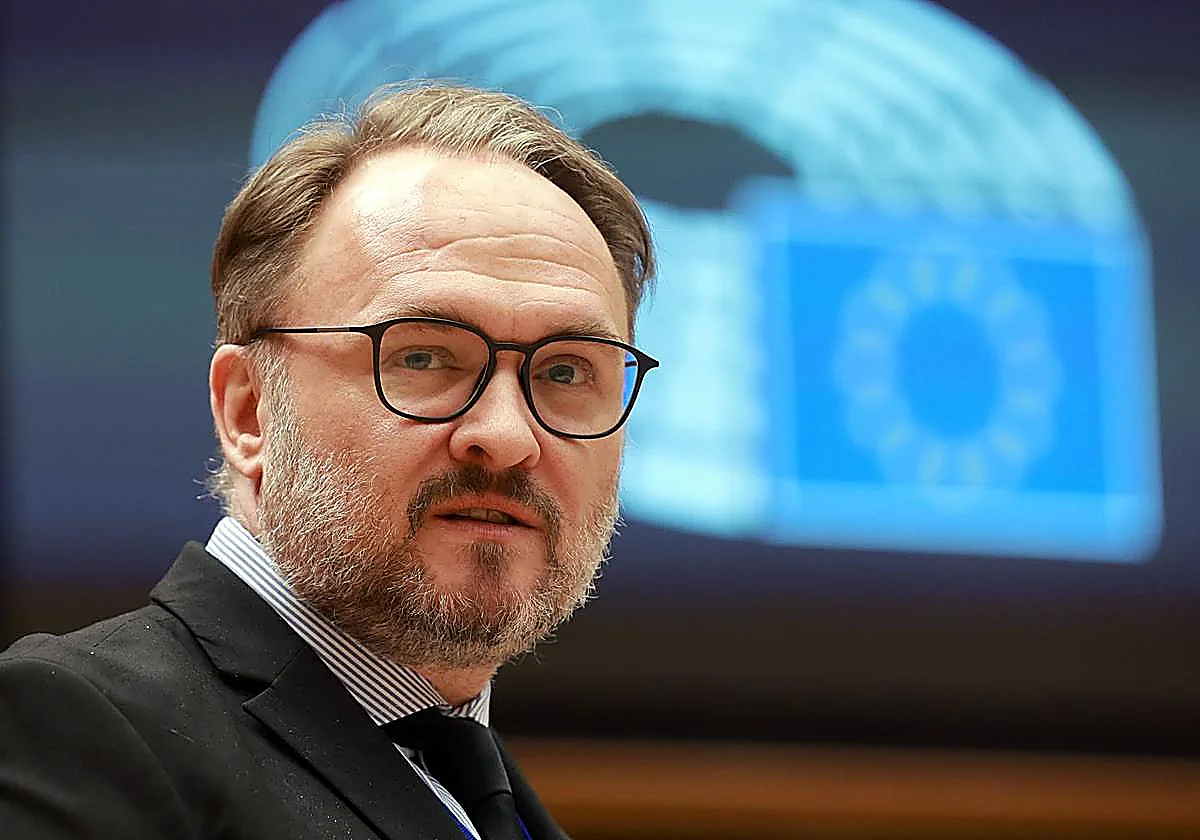
European Commissioner for Energy and Housing Dan Jorgensen. EFE Energy Brussels warns of long-term energy crisis and calls for energy-saving measuresThe European Commission recommends that member states promote working from home to reduce car journeys
Olaz Hernández
Wednesday, 1 April 2026, 15:05
The war in Iran and the blockade of the Strait of Hormuz have triggered an energy crisis in Europe, driving up gas prices by 70 per cent and oil prices by 60. Brussels estimates that the EU's energy bill has increased by 14 billion euros since the conflict began and assumes this precarious situation will be prolonged.
European Commissioner for Energy and Housing Dan Jorgensen confirmed this on Tuesday during the virtual meeting of the EU's energy ministers. He said that the infrastructure of Iran and the Gulf states is "severely damaged" and recommended that the 27 member states reduce energy demand by implementing a ten-point plan.
"Even if the war ended now, we would still feel the same impact. The damage to infrastructure will take time to repair and we don't foresee a return to normality in the foreseeable future," Jorgensen stated.
The European Commission has sent European capitals a ten-point plan to reduce energy demand, a measure the commissioner believes is essential. "It's better to be prepared than to regret it later," Jorgensen said, noting that it is up to the member states to decide which points to implement.
This ten-point plan encourages EU member states to promote demand-side saving initiatives as an "essential tool" for reducing oil consumption. The proposals focus primarily on transport and call for the promotion of remote working, minimising car journeys wherever possible and encouraging car-sharing among the public.
Jorgensen also asked member states to avoid decisions that could worsen the situation, such as those that increase fuel consumption, limit the free movement of petroleum products or discourage activity at European refineries.
To ensure supply, the commissioner also recommended postponing any non-urgent maintenance at refineries and exploring increased use of biofuels, while insisting on strengthening market monitoring through "robust" supervisory mechanisms.
Brussels stated that the EU starts from a "relatively solid" position despite the crisis, thanks to the obligation of member states to maintain strategic oil reserves and have contingency plans. The Commission pledged to continue working with the 27 member states to anticipate and address market challenges to ensure a secure supply.
Kerosene shortage
Although European energy supplies are currently secure, Brussels is observing "constrained" conditions in some products such as diesel and kerosene, which are used to power aircraft. "The consequences will not disappear in the short term, so it is important that we act in a coordinated manner and avoid fragmentation," the commissioner said. He encouraged the implementation of "focused, tailored and temporary" national initiatives that "do not worsen the supply and demand situation".
The Commission is already preparing a series of measures to mitigate the impact of this crisis on European businesses and households. It is also working to coordinate the replenishment of strategic reserves, as filling them is "crucial" for the EU to be prepared for the next winter.
Jorgensen also stressed the importance of finding a long-term structural solution and achieving energy independence for the 27 member states. "It's time we learned the lesson," he said.