Zoom
Chemsex is spreading in Malaga: a phenomenon driven by loneliness and desire to 'escape'The rise of intravenous drug use among young people and the rapid emergence of new substances mark the evolution of marathon sex and drug sessions
Monday, 20 April 2026, 17:11
“Chemsex is the sexualised use of drugs and substances, mainly associated with gay environments or men who have sex with men, to enhance sexual stimuli and prolong sexual activity,” Jesús Santos, an infectious disease specialist at the Hospital Clínico Universitario Virgen de la Victoria, explained to SUR.
Experts report that the phenomenon has grown over the last decade throughout Europe, including on the Costa del Sol, with a boom following the pandemic. This has led to concerns over the health impact on those who practice it
Some of the men who are trying to leave this dependency behind reported the main reasons for continuing the practice such as “escaping” (62%) or alleviating feelings of loneliness, as well as increasing a sense of belonging.
This is according to a survey held at the 3rd multidisciplinary chemsex meeting, on 16 April at the Málaga College of Doctors and organised by IBIMA, an institute of biomedical research in Malaga and the Hospital Clínico's infectious diseases unit with director of an addiction treatment centre, Dr Juan Jesús Ruiz.
Unwanted loneliness
These findings are supported by a similar study by Apoyo Positivo psychologist Juan Cabrera Solana. The survey revealed that chemsex, which originated in the UK, sees “unwanted loneliness very much at the heart of the phenomenon”.
Among the reasons for trying chemsex, 78.6% responded that they began out of a need to try something new, 42% cite escaping stress or family problems and 24% to feel more accepted by a group.
The survey found that participants are often seeking a greater sense of self-confidence, to facilitate particular types of sexual activity, to act out fantasies, but also to help cope with negative emotions related to homophobia or discomfort in their own skin due to societal conventions.
Those who frequent the centre are mainly those who engage exclusively in sex with substances, said Dr Juan Jesús Ruiz who explained that "the significant increase since the pandemic has begun to grow exponentially due to geolocation and dating apps". These practices are not only associated with loneliness but other vulnerability factors.
Addictions can range from substance use to compulsive sexual behaviour, including the use of dating apps, porn sites or online sex.
Victims of violence
According to the study, cross-referenced with a report by Madrid Salud from 2021 and 2022 and a survey conducted in Andalucía, the average age of participants is 39, and 42% live alone, 80% are single and do not have a steady partner.
A significant number have experienced some form of violence, notably hate-based violence (30.9%), domestic violence (14%), intimate partner violence (12%), and sexual violence (11%). Some 27.6% experienced violence during childhood and adolescence.
All perceive that their substance use poses a health risk, but more than half of those surveyed do not want to quit or are undecided. They acknowledge a certain degree of dependence and 27% have thoughts of internalised homophobia.
"During treatment, we must try to set achievable goals, sometimes it is more important to focus on achieving and maintaining a high quality of life rather than absolute abstinence, therefore trying to improve the patient’s commitment to the programme” he explained, adding that once the effects have worn off, "they are often overcome by feelings of deep loneliness, exhaustion, emptiness, irritability and depression, which is due to neurochemical depletion: we have to try to dissociate the use of substances from sex”.
After the sessions, those affected reported feelings of deep loneliness, exhaustion, sadness, emptiness or irritability, which is due to neurochemical depletion.
Cabrera noted that a 2022 survey revealed the most frequent substances as alcohol, poppers, mephedrone, liquid ecstasy, cocaine, MDMA, methamphetamines and ketamine.
Some 67% of responses said substance use led to sex without a condom, 51% reported losing control over their use at some point, 41.8% had been diagnosed with HIV (of whom 94.7% were undergoing treatment), this refers only to the survey sample, and 36% experienced frequent symptoms of depression “or always after use.”
Normalisation of overdosing
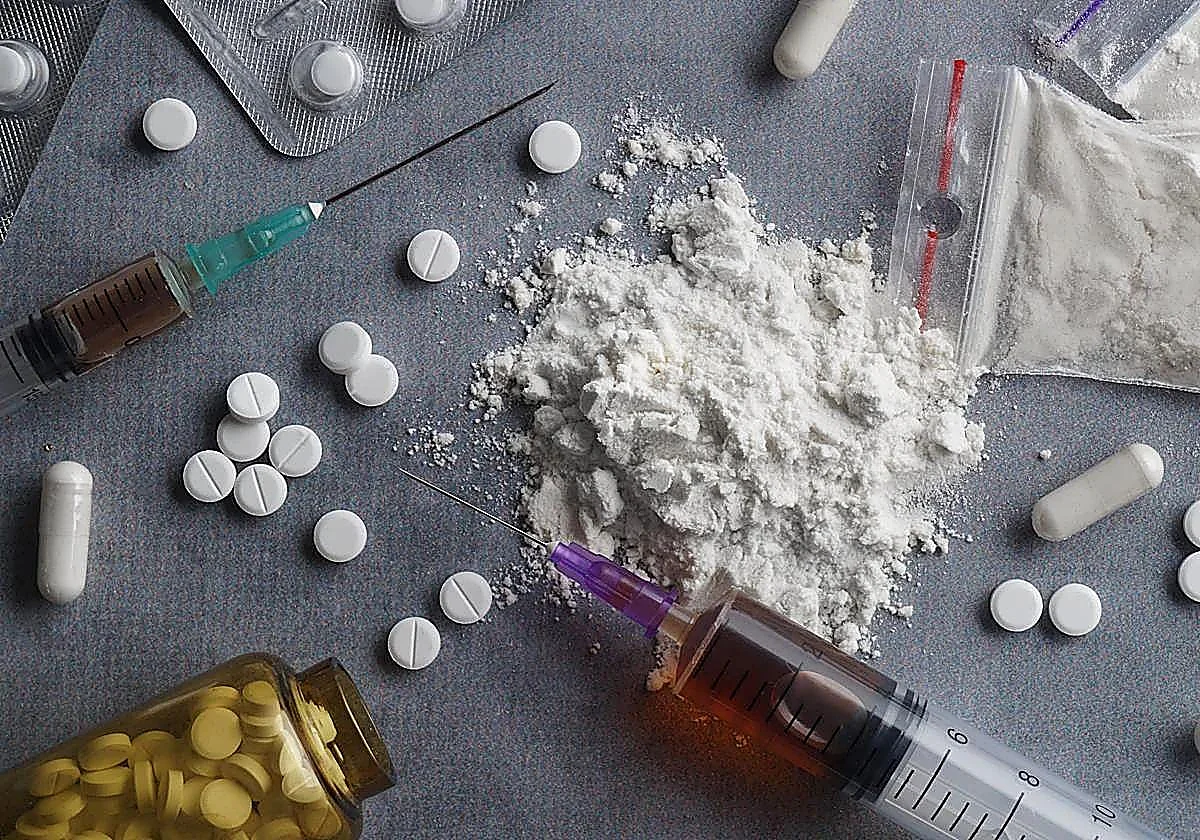
Based on what they had seen in their practice, he explained that as new synthetic substances are entering the market, there is an increase in “slamming”- the intravenous injection of drugs, among young users. Overdoses have risen and become commonplace, especially involving liquid ecstasy, and the occurrence of psychotic symptoms has become more frequent.
The phenomenon has spread beyond major cities, leading to a wider range of nationalities, an increase in open relationships, and relationship issues stemming from chemsex. Even a certain number of HIV-positive individuals engage in it, though most use pre-exposure prophylaxis (PrEP).
There is also an invisible emotional impact: they are victims of internalised homophobia and serophobia (prejudice against those with HIV); trauma adds a vulnerability factor; and stigma makes it difficult to ask for help.
Experts explained that those who participate in these sessions often do not report the crimes they are subjected to.
Victoria del Fresno, a pharmacist at the national institute of toxicology, emphasised that the risks of chemsex include the use of substances with a narrow margin of safety, unpredictable effects, poly-substance use, and the possibility of acute intoxication that can lead to death. Furthermore, these substances impair decision-making ability; substances may be consumed without prior consent, potentially making the participant a victim of crimes (such as theft) or leading to opportunistic or mixed chemical submission.
She noted that the manufacturers of these substances are constantly innovating. “They appear on the market quickly, they are regulated, but the manufacturers have already created five more new ones: there are so many new substances that it is difficult to establish reference standards.”
Infectious disease specialist Jesús Santos noted that “there is a wave of young people who are also getting involved in these types of drug-use circles,” highlighting that geolocation and apps facilitate anonymous sexual encounters, which exposes participants to sexually transmitted diseases, and there is another risk: “The possibility of abuse.” He believes there are a number of crimes that go unreported, “because when you go to a place like this and something happens to you, you don’t speak up afterward.”