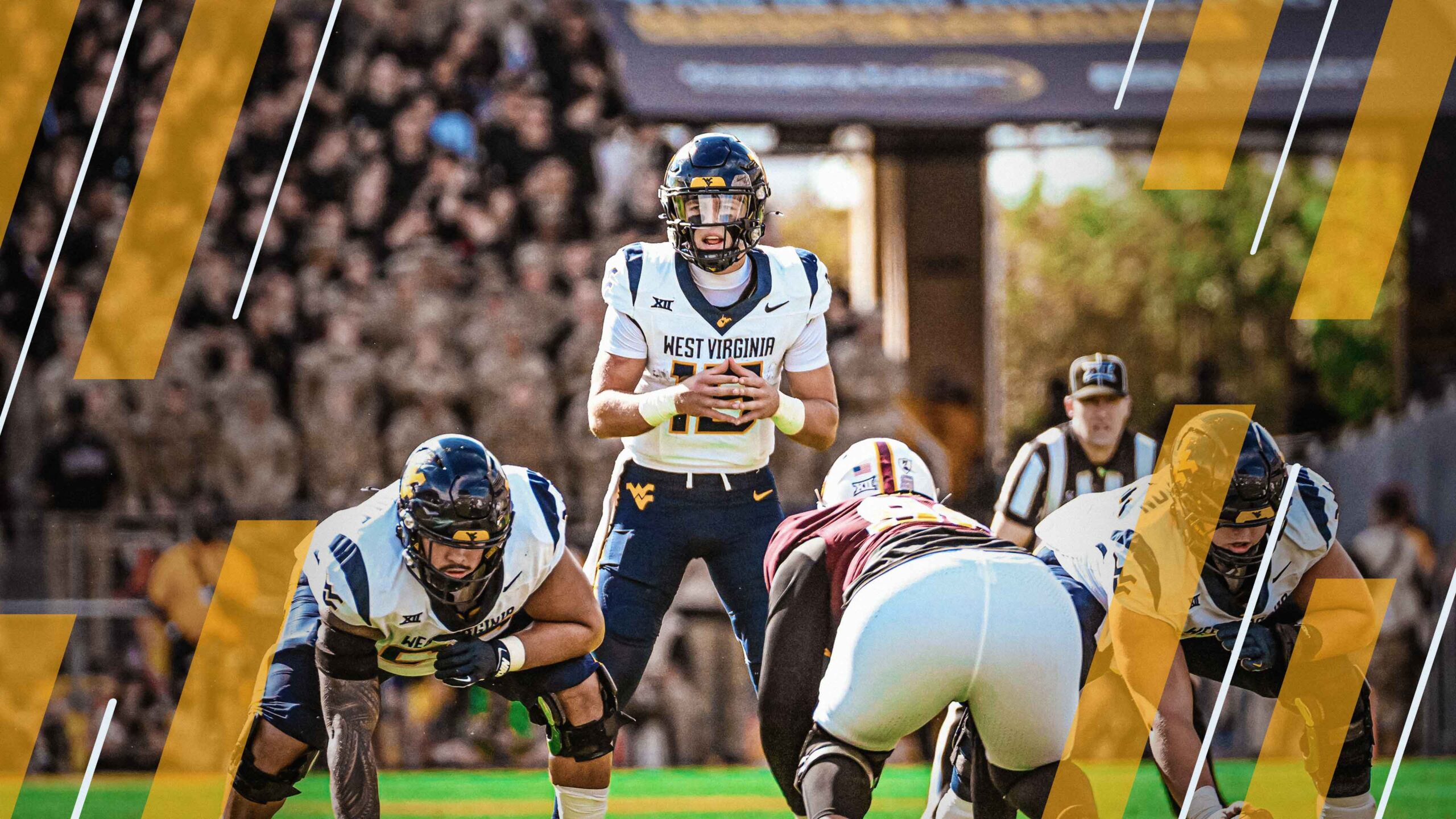
- Tennessee is a staple: In Josh Heupel's five seasons in Knoxville, the Volunteers have always ranked in the top five in tempo play rate.
- Auburn is a team to watch in 2026: New head coach Alex Golesh and quarterback Byrum Brown have ample experience playing quickly from their days at USF.
Playing with urgency has become one of the defining offensive strategies in modern college football. Up-tempo offense has increased for three consecutive seasons, aided by the introduction of in-helmet communication, which allows players on both sides of the ball to keep their eyes forward instead of looking to the sideline for guidance.
Several current coaches have taken the long-established concept of playing with pace and refined it further, using urgency to prevent defenses from making substitutions or adjusting before the snap. Those coaches feature prominently on this list.
PFF records the amount of time remaining on the play clock before every snap in Division I college football. It also tracks whether an offense is operating at tempo on every snap. This list combines last season’s data with projection. Several of the fastest offenses in college football in 2025 were led by coaches and quarterbacks who have since moved elsewhere.
The offenses best suited to play at pace are generally among the strongest in the country. As a result, all five teams on this list come from the Power Four conferences, despite two Group of Five programs ranking among the nation’s fastest offenses last season. Both of those teams lost their head coaches to jobs in more prominent conferences.
1. West Virginia
The Mountaineers were mathematically the fastest offense in the FBS last season, averaging 19.3 seconds remaining on the play clock across 879 offensive snaps. They also ranked third in tempo play percentage at 42.1%. Just 6.5% of West Virginia’s snaps came with fewer than 10 seconds left on the play clock, compared to the FBS average of 33%.
Head coach and offensive play-caller Rich Rodriguez spent his playing days as a defensive back, but he has specialized in quarterback play for more than two decades now. Few coaches understand better than Rodriguez how difficult life becomes for a defense that has no time to adjust.
Despite looking efficient on paper, West Virginia was easily the weakest offense on this list in tempo situations, posting a 61.6 PFF offensive grade while committing 10 turnovers. The Mountaineers finished 4-8, and Rodriguez’s second season will require noticeable improvement. Whether that comes by slowing the offense down or pushing the tempo even further remains to be seen.
2. Auburn
Auburn operated at only a slightly above-average tempo last season, but that figures to change drastically in 2026. That’s because the Tigers hired Alex Golesh away from USF, and he arrives with his highly regarded quarterback Byrum Brown via the transfer portal.
The pair directed a blistering veer-and-shoot offense in Tampa that helped USF reach nine wins for the first time in eight years. A major part of that success came from refusing to let opponents catch their breath. The Bulls operated at tempo on 48.2% of their offensive plays, 6% higher than any other team in the country.
This marks the fourth straight season that Golesh’s offense has led the nation in tempo play rate. That includes his three years at USF along with the season before it, where he topped the charts as Tennessee’s offensive coordinator while working under Josh Heupel.
Golesh’s offenses have only become more aggressive with each passing season. Last year’s Bulls are the only team to come close to playing at tempo on half of their offensive snaps since PFF began tracking such data. An increase in competition level and new surroundings may force Golesh to ease off the accelerator slightly, but having a quarterback already fluent in the system should make the transition much smoother.
Explore PFF Fantasy ToolsSee projected points and full stat lines across PPR, Half PPR, Standard, DFS, IDP, and BestBall formats. Import your league to view projections tailored to your exact scoring settings. Fantasy Football ProjectionsProjected points and full stat lines across every major scoring format—or sync your league to see projections built for your exact settings. (opens in new tab)Overall and position draft rankings by scoring type. We combine PFF grades, strength of schedule, and teammate quality to model upside and downside—among the most accurate in Fantasy Pros’ annual ranking competition over the last five years. Fantasy RankingsSeason-long draft rankings by position and scoring type—powered by PFF grades, strength of schedule, and teammate context to capture upside and downside. (opens in new tab)Customizable, printable cheat sheets for PPR, Half PPR, Standard, 2QB, IDP, Dynasty, and Rookie leagues. Players are tiered by position from our draft rankings, with ADP from popular fantasy platforms factored in. Fantasy Draft Cheat SheetPrintable, customizable cheat sheets for PPR, Half PPR, Standard, 2QB, IDP, Dynasty, and Rookie leagues—players tiered by position using our rankings and ADP. (opens in new tab)Sync your fantasy league to unlock the Live Draft Assistant and custom Lineup Optimizers—real-time pick suggestions, waiver wire targets, and sit/start recommendations built for your scoring formats and roster rules. Fantasy League SyncConnect your fantasy league to unlock the Live Draft Assistant and custom lineup tools—real-time picks, waiver targets, and sit/start advice for your scoring and roster rules. (opens in new tab)Subscribe For Full Access (opens in new tab)3. Mississippi State
Jeff Lebby’s offense ranked second behind West Virginia in average time remaining on the play clock at 18.9 seconds, and second behind Golesh’s USF in tempo play percentage at 42.2%. Lebby developed his offensive philosophy during some of the Big 12’s highest-scoring years and has carried that same approach into the SEC.
While up-tempo football is often associated with the passing game, it can be just as effective on the ground by preventing defenses from rotating fresh linemen onto the field. Mississippi State produced 31 runs of at least 10 yards on tempo plays last season, second only to USF.
The Bulldogs finished 5-8, but their offense looked far more dangerous when it increased the pace. Mississippi State earned an 82.4 PFF passing grade on up-tempo plays compared to just 59.5 on all other dropbacks.
4. Tennessee
If college football had a Mount Rushmore of up-tempo offense, Josh Heupel would certainly have a place on it. He has become one of the leading figures behind the modern veer-and-shoot scheme, built around relentless tempo and wide formations that stretch defenses horizontally before attacking them vertically.
Tennessee ranked fourth nationally in tempo play percentage last season at 40.4% and has finished inside the top five every year since Heupel arrived. One defining feature of Heupel’s offense is how willing he is to throw when increasing the pace. Tennessee passed on 57% of its tempo snaps last season, the highest rate among the teams on this list.
The Volunteers also produced the nation’s most explosive passing attack in tempo situations, completing 50 passes of at least 15 yards when operating at pace.
Read more
Read morePFF College 50: The 50 best players in college football ahead of the 2026 season
By Dalton Wasserman and Max Chadwick
(opens in new tab) →5. Ole Miss
We’ve looked at offenses returning the same coaching staff from last season and one expected to become much faster because of a coaching change. Ole Miss falls somewhere in between.
The Rebels ranked sixth nationally in tempo play percentage last season and, more importantly, earned the highest PFF offensive grade in college football when playing at tempo at 86.3. Lane Kiffin has since departed for Baton Rouge, but Ole Miss may have found the ideal successor in former East Carolina offensive coordinator John David Baker.
The 35-year-old previously worked under Kiffin in Oxford from 2021 through 2023 before leaving to develop as a play-caller in the American Athletic Conference. Under Baker, East Carolina ranked fifth nationally in tempo play percentage last season and second the year before, one place ahead of Kiffin’s Ole Miss offense in both seasons.
Baker’s urgency became even more apparent when playing from behind. No team snapped the ball more quickly on average than the Pirates while trailing during the 2025 season. Like Ole Miss, East Carolina paired tempo with quality. The Pirates produced PFF’s sixth-highest offensive grade in tempo situations.
With quarterback Trinidad Chambliss returning for another season, the Rebels should remain one of the nation’s fastest offenses despite significant turnover at wide receiver and along the offensive line.