Recent research confirms Neanderthal cave markings from 40,000 years ago can be visited across Malaga’s Palaeolithic sites
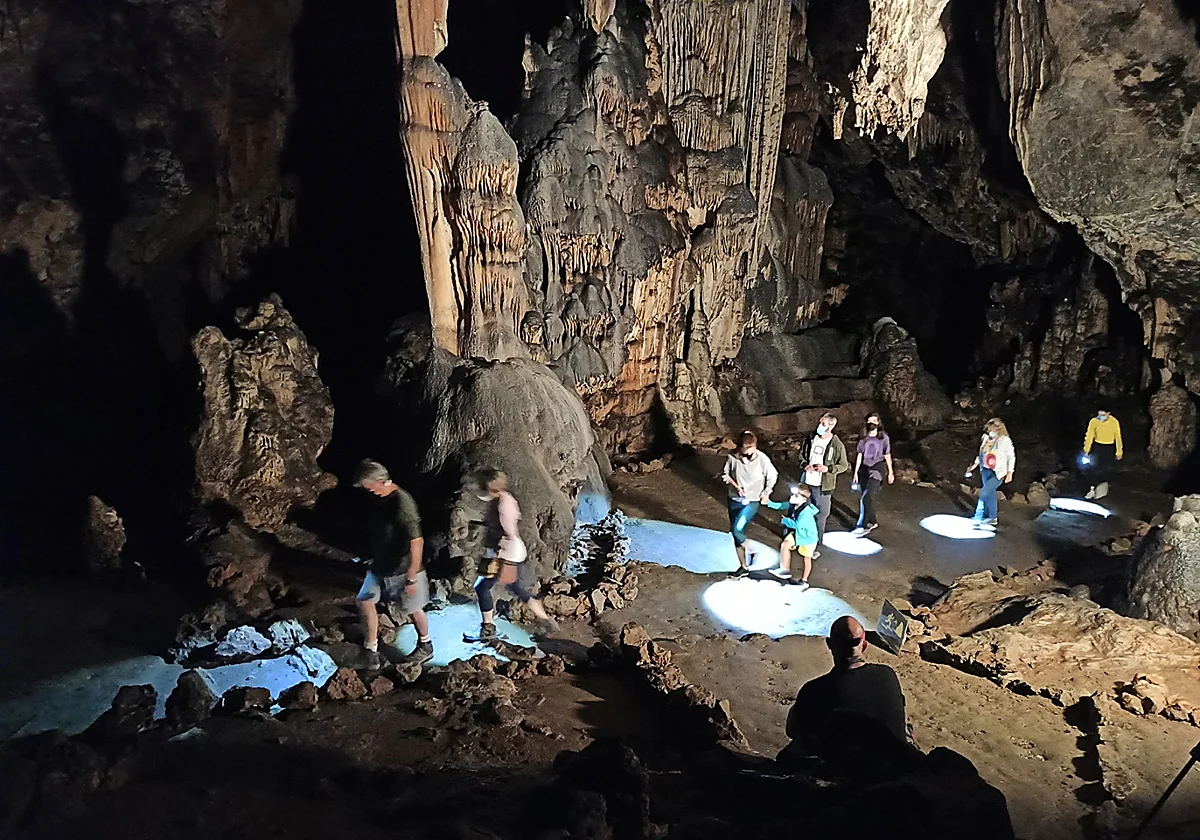
The Ardales Cave during a visit. (SUR)Ardales
02/05/2026 a las 10:08h.The province of Malaga has once again become the focal point of the scientific debate regarding the origins of art in Europe. New studies confirm ... that some of the earliest human graphic expressions - predating even the arrival of Homo sapiens - originated in the Ardales Cave, which houses red markings and engravings created by Neanderthals more than 40,000 years ago.
These conclusions have been further bolstered by the recent launch of the book Málaga Neandertal at the Ardales Cultural Centre, a publication featuring the work of twenty international researchers. Additionally, a scientific paper published in the journal Complutum (Complutense University of Madrid) reinforces the vital role Malaga's caves played in the birth of European Palaeolithic art.
A paradigm shift in archaeology
The turning point for this research occurred in 2018, when a study in the journal Science dated certain paintings in Ardales to approximately 65,000 years ago. This discovery sparked intense global debate over authorship, challenging the traditional view that art was an exclusive creation of Homo sapiens.
Seven years on, subsequent investigations have expanded the map of these graphic expressions. Scientific teams linked to the Ardales and Nerja caves have confirmed similar markings in other cavities across the province, including:
•Cueva de las Suertes (Antequera)
•Cueva de la Victoria and Cueva del Tesoro (Rincón de la Victoria)
•Cueva del Toro (Benalmádena)
All these sites share the same stylistic characteristics: red strokes and engravings applied directly with the fingers.
These findings establish Malaga as one of the territories with the highest concentration of early prehistoric art in the world.