Zoom
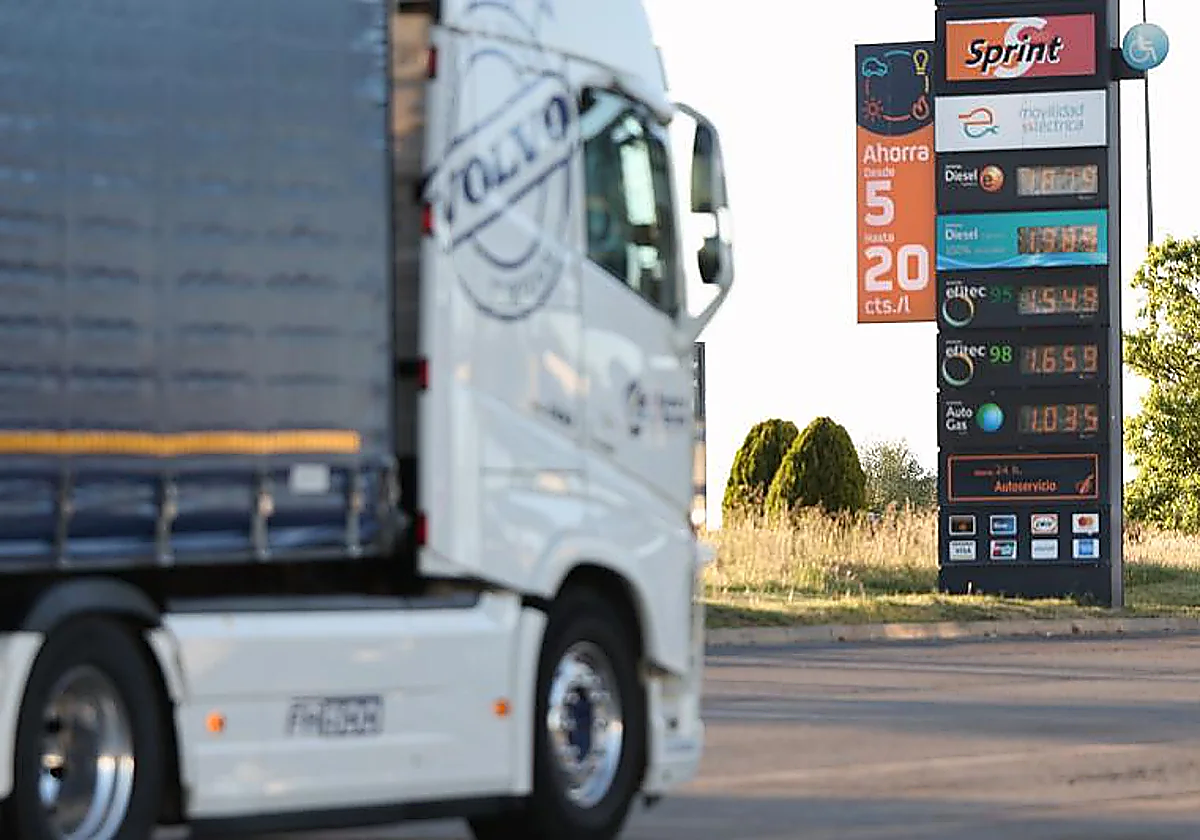
Petrol station pylon in Spain. EFE Economy Eurozone inflation jumps to 2.6% as a result of Iran warThe surge in the first month of the conflict matches the price increase that happened in October 2022 as a result of Russia's invasion of Ukraine
José A. González
Thursday, 16 April 2026, 14:48
From 1.9% in February to 2.6% in March. The jump in inflation in the eurozone, caused by the energy shock stemming from the war in Iran that began in late February, was 0.7%. Across the EU, the CPI rose to 2.8%, also 0.7% higher than the rate in February, according to data from Eurostat.
The surge in this first full month of conflict in the Middle East matches the price jump in October 2022, when Russia's invasion of Ukraine sent energy costs soaring. In the EU, this represents the largest increase among the 27 member states since January 2025.
According to Eurostat figures, the rise in inflation in the eurozone in March reflects the immediate impact of the conflict in the Middle East and the restrictions in the Strait of Hormuz on fuel prices. Energy prices registered a year-on-year increase of 5.1%, compared to the 3.1% decrease in February. Meanwhile, fresh food prices rose by 4.2%, 0.4% less than in the previous month.
As for other items, non-energy industrial goods saw a year-on-year increase of 0.5%, 0.2% lower than the previous month. Meanwhile, services rose by 3.2% year-on-year, compared to 3.4% in February.
Excluding energy prices, inflation in the eurozone stood at 2.3% in March, 0.1% lower than in February. Similarly, core inflation, which excludes energy, food, alcohol and tobacco, also fell to 2.3%.
In Spain, harmonised inflation rebounded in March to 3.4% year-on-year, which represents a negative difference of 0.8% compared to the eurozone average.
Finally, within the EU, the lowest rates were recorded in Denmark (1%), the Czech Republic, Cyprus and Sweden (all at 1.5%). At the other end, the largest price increases occurred in Romania (9%), Croatia (4.6%) and Lithuania (4.4%).