Zoom
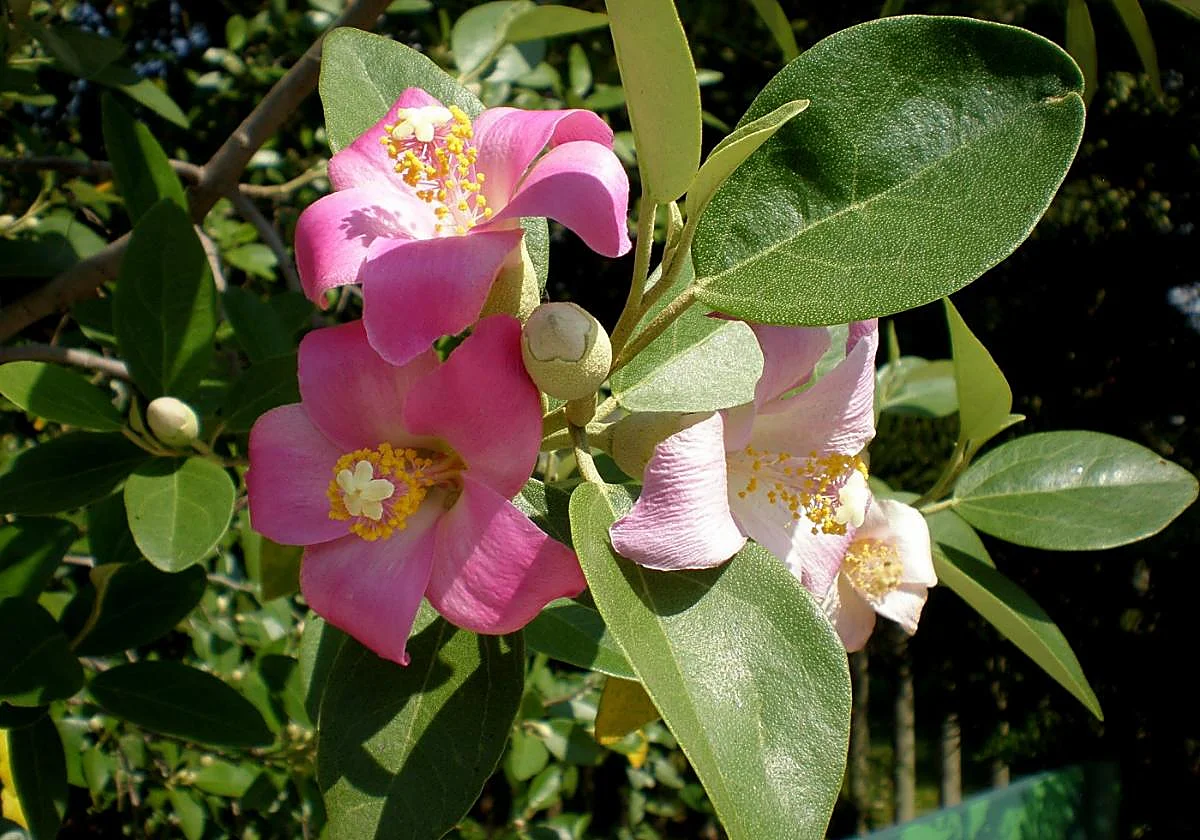
Lagunaria patersonia. Wikimedia Gardening in southern Spain Lagunaria patersoniaThis plant is a fast-growing, hardy, evergreen tree that is particularly well suited to coastal areas, thanks to its high tolerance of salt wind and extreme heat
Denise Bush
Friday, 27 March 2026, 12:53
Lagunaria patersonia, commonly known as the Norfolk Island Hibiscus, is a member of the Malvaceae family, native to Lord Howe Island and Norfolk Island, Australia.
It is a fast-growing, hardy, evergreen tree that is particularly well suited to coastal areas, thanks to its high tolerance of salt wind and extreme heat. It requires at least six hours of sunshine a day. In temperate climates it will reach ten metres or more, and considerably taller in tropical conditions.
The hibiscus-like flowers, which appear in spring and summer, are pink or mauve, fading to white. After flowering, spherical seed pods form that are popular in dried flower arrangements. When ripe, however, the pods burst open, releasing fine fibres that can irritate the skin and eyes. Inside are reddish-brown, kidney-shaped seeds.
The tree will grow in most soils, with the exception of waterlogged ground, and will tolerate light frost. It can also be trimmed after flowering and maintained as a large bush, making it an effective windbreak. It is extensively grown as an ornamental tree in the Canary Islands.
Lagunaria patersonia can be propagated from seed, though seedlings may not always be true to the parent plant. It can also be grown from cuttings taken from non-flowering stems in spring or summer, using hormone rooting powder to encourage successful rooting.