Zoom
The Zumalla association of the village of Almargen has been working for nearly 20 years to bridge the employment gap in rural areas. SUR Employment Malaga mushroom farming provides lifeline for unemployed and disabled womenThe Zumalla association in the village of Almargen has launched a project to offer job opportunities in a male-dominated environment
Cristina Pinto
Monday, 30 March 2026, 16:13
The Zumalla association in the village of Almargen (Malaga province) addresses the gender pay gap in rural areas with a new mushroom farming training programme, specifically targeting unemployed women and women with disabilities.
The 'Esporas comunitarias' initiative offers job opportunities in a male-dominated environment and in areas that lack services to facilitate a work-life balance in the Guadalteba district. The project receives funding from la Caixa foundation.
"We knew this wasn't done in the province of Malaga. It's not a widespread crop [mushrooms] and we don't know of any large-scale mushroom farms in the area," Zumalla president Antonio Marín told SUR.
This edible mushroom cultivation training programme will begin in September for 20 women. The Zumalla association is already working on the project, constructing the facilities and training the organisation's technicians.
"We've just started assembling the facilities and getting the programme up and running, in collaboration with the La Polea cooperative, which is sharing the facilities provided by the town hall. Four of us at the association are already receiving training thanks to Setacor - a company that specialises in edible mushroom cultivation. The women and people with disabilities participating in the course will be learning from September to November," Marín said.
Ongoing training
The best thing about the project is that, once the women finish their training, it will continue being a hub for their own entrepreneurial endeavours and even for hosting school visits. "We will hand over the facilities to those who complete the programme so they can continue and progress in their reintegration into the workforce, which is the goal of this initiative," Marín stated.
They haven't yet selected the students, but they will soon begin recruiting women interested in the course. Participants will learn the process of producing and cultivating edible mushrooms.
"The unemployment situation is even worse for women with disabilities, who suffer multiple forms of exclusion due to the confluence of gender, disability and geographic location," Zumalla says.
'Esporas comunitarias' is not only for the residents of Almargen, where the Zumalla association originated, but also for all women living in the Guadalteba district's rural areas who face obstacles in accessing decent and sustainable employment. "We focus on them, but the association works with all kinds of vulnerable groups. We expect the average age for this project to be between 30 and 50, but anyone over 18 can join," Marín says.
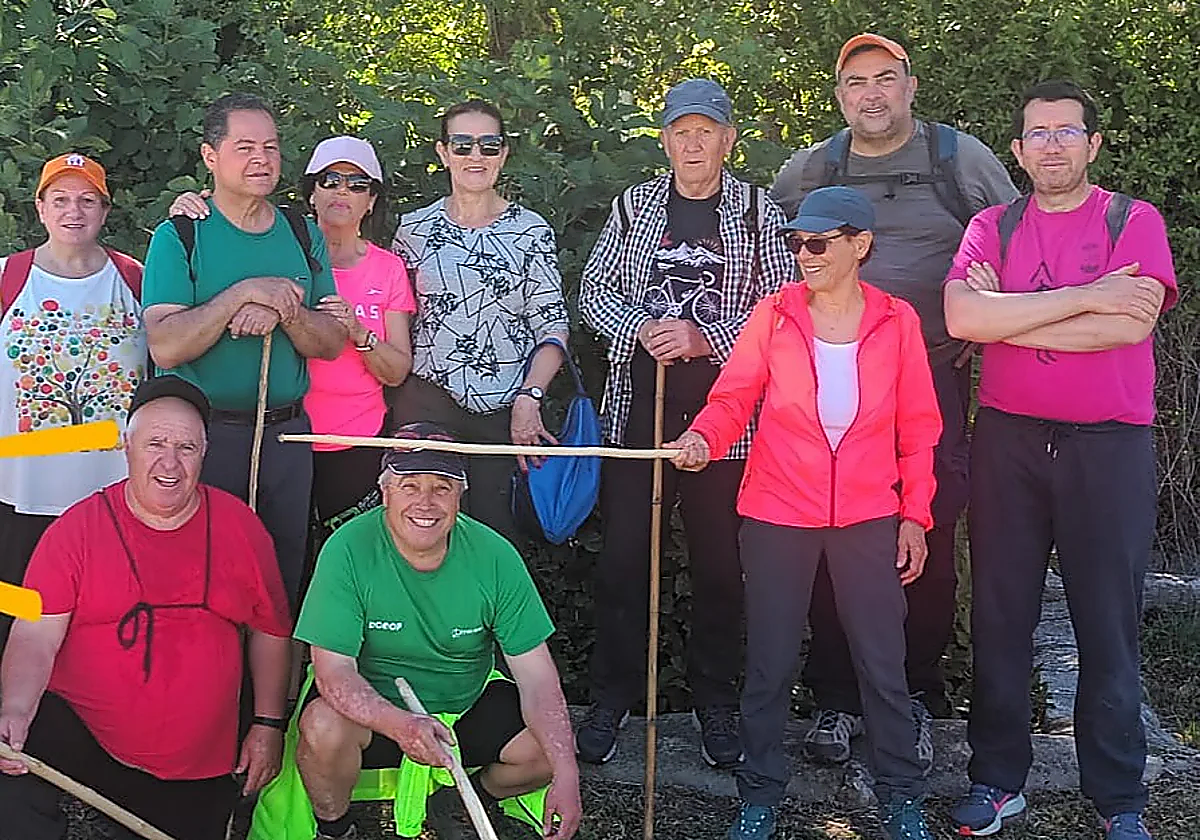
The Zumalla association has been working in Almargen to promote social action related to the natural environment since 2007. Their activities range from hiking and outdoor sports to courses in sustainable agriculture and environmental education.
Antonio Marín is one of the founders, who aim to change the future of rural life. "I've always been concerned about everything related to the environment and the unemployed and those at risk of social exclusion around here. We want to improve living conditions in the area for many people who lack access to basic resources," he states.