Zoom
The price of clothing and footwear rose in Malaga province in December. Economy Malaga ranks 5th in Spain for highest inflation as December prices outpaced national averageThe Christmas holidays had little impact on grocery costs, but they did impact hotels and restaurants
Cristina Vallejo
Thursday, 15 January 2026, 15:48
Malaga was the fifth province in Spain with the highest price increases in December. Inflation in the last month of the year stood at 3.2%, more or less the same as in November, which implies that the Christmas holidays and high demand at the end of the year did not inflate the CPI much more.
The provinces that ranked ahead of the Costa del Sol were Madrid (3.7%), Castellón (3.6%), Salamanca (3.4%) and Alicante (3.3%). In Spain as a whole, the CPI stood at 2.9%, down 0.1% from November (3%).
The provinces with the most moderate price increases were Teruel (2.1%), Jaén and Girona (2.3%), as well as Murcia and Ávila (2.4%).
The inflation rate in Malaga is consistently higher than that of Spain as a whole, due to its higher economic growth and greater demographic dynamism, as well as the floating population derived from tourism. However, although there have been occasions this year when the inflation differential has reached 0.8%, with the national rate of 2.2% compared to 3% in Malaga (as was the case in March), this gap narrowed to 0.3% at the end of the year.
However, there is another factor to consider: while Spain's average inflation rate was 2.7% in 2025, 0.1% below the 2024 figure, Malaga's rate last year, at 3.2%, was higher than in 2024 (3%).
According to a Funcas analysis, last year's inflation rate in the province benefited from the sharp drop in the price of olive oil, which was close to 40%, but this was offset by the recovery of standard Spanish tax IVA rates on food, among other factors.
In terms of data by region, after Madrid, the highest rate was in Valencia (3.2%). Meanwhile, Andalucía was slightly below the Spanish average, at 2.8%, along with the Canary Islands and Castilla y León. The lowest rates were in Murcia (2.4%) and Catalonia (2.5%).
If the festive period did not accelerate the rise in the overall consumer price index, it also failed to do so in the categories most sensitive at this time of year, namely food and non-alcoholic beverages, because their year-on-year increase in Malaga in December was 2.9%, identical to that of November. In contrast, in Spain as a whole, they rose from 2.8% to 3% from one month to the next.
The rate of price increase of alcoholic beverages and tobacco slowed down in the province, from 5% in November to 4.9% in December. A similar trend was observed in transport, which moderated from 1.9% to 1.1% from one month to the next due to the drop in fuel and lubricants for personal vehicles, compared to the rise recorded in December 2024. The same was true for education, which rose at a rate of 0.5% in November and 0.3% in December.
Christmas did have the opposite effect in hospitality, both in Malaga and Spain, with hotels and restaurants accelerating their price climb in December to 4.3% year-on-year in the province, compared to 3.9% in November, and 4.6% and 4.5%, respectively, at national level.
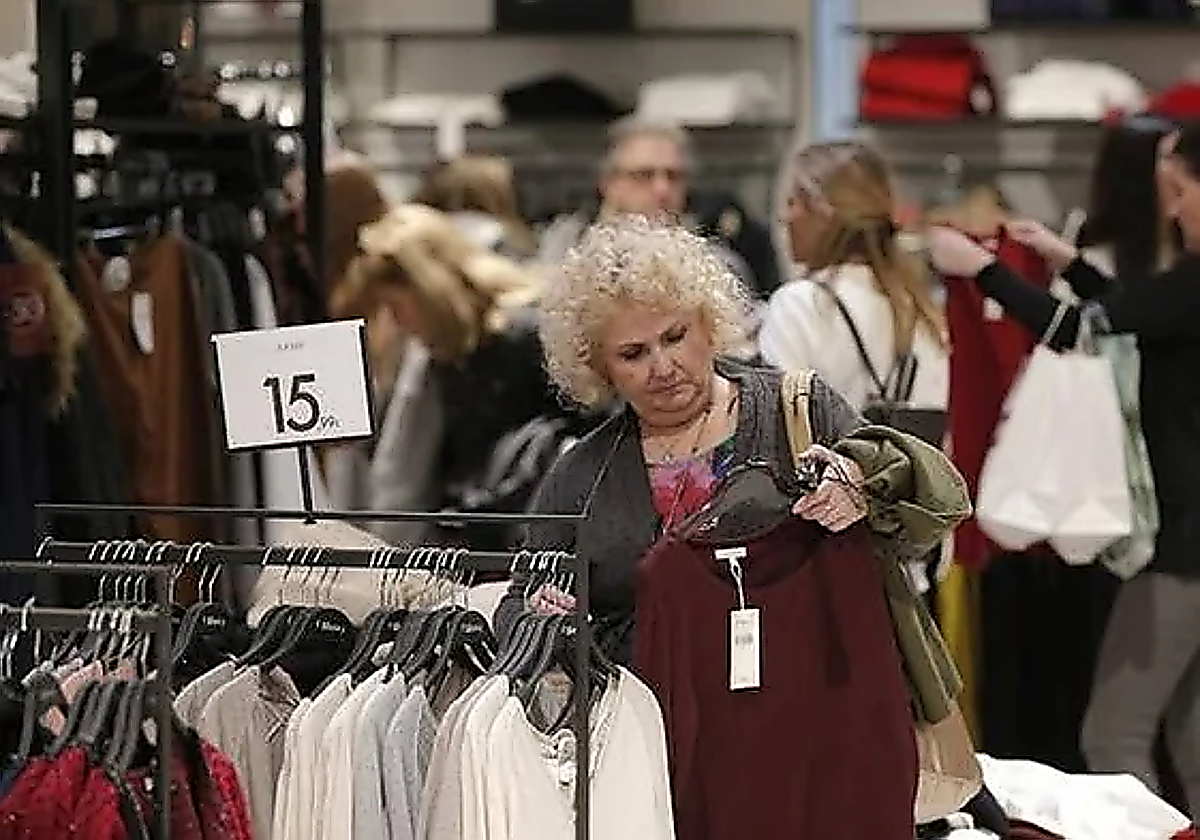
The same was true for leisure and culture, with 1.9% in Malaga in December compared to 1.6% in November. In Spain as a whole, the figures were 0.5% in December and 1.2% in November. Even more significant was the case of clothing, which rose by 3% year-on-year in the last month of 2025, compared to 1.8% in November, in contrast to its virtually flat performance in Spain as a whole.
As for housing prices and their main utilities (water, electricity and gas), the price increase in Malaga remained at 5.8% year-on-year, compared to 5.7% in Spain.
For 2026, Funcas estimates that the CPI in Spain will average 2.4%. Although there will be ups and downs, the association expects that the rate will remain above 2% every month of the year.