Zoom
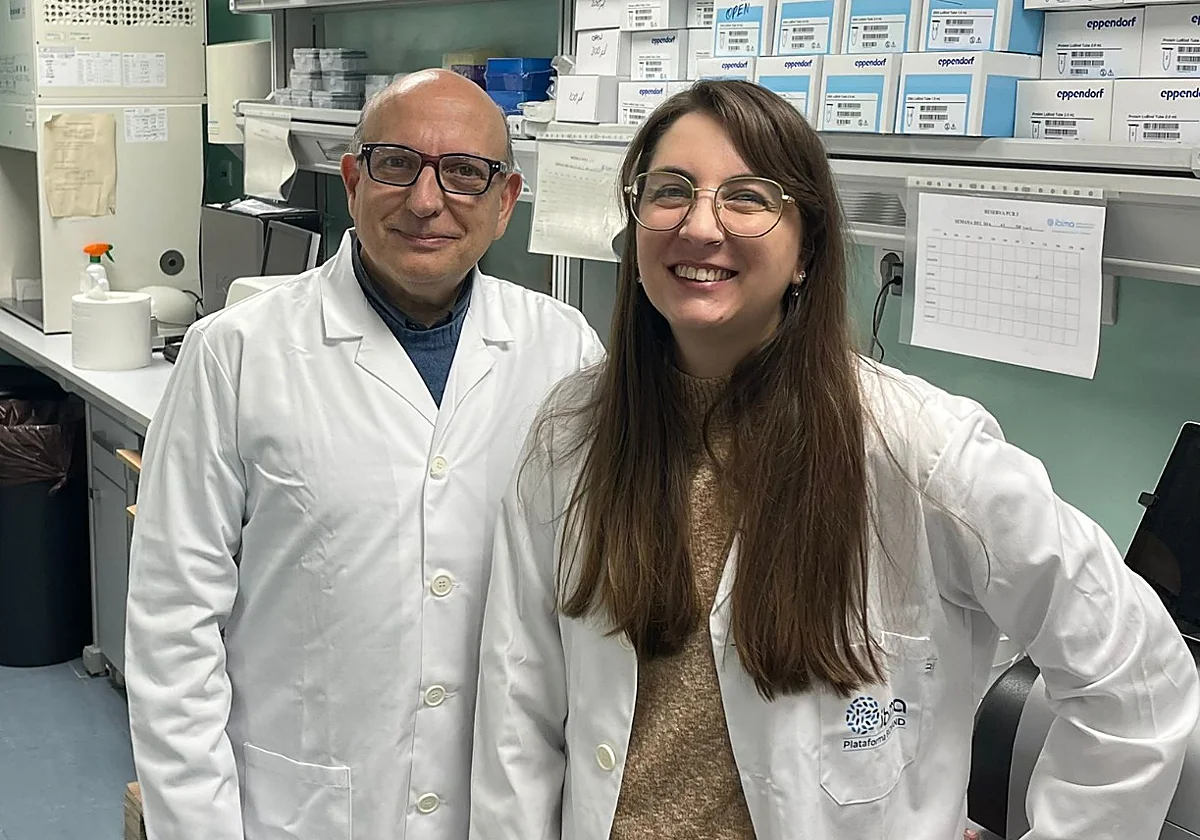
Fernando Rodríguez Fonseca and Marialuisa de Ceglia, researchers. SUR Health Malaga researchers develop biological switch that can stop binge eatingA study by IBIMA and the University of Camerino identifies new drugs that can reset the brain's hunger centre
Friday, 27 March 2026, 14:25
An international team of researchers, including several experts from Malaga's biomedical research institute, have identified new chemical compounds capable of turning off the uncontrollable urge to eat, popularly known as binge eating.
Binge eating disorder is not, as many might believe, a lack of willpower but a common eating disorder characterised by recurrent episodes in which a person loses control and consumes large amounts of food in a short period of time. Current treatments often have side effects or do not work for all patients.
The research, published in Pharmacological Research, was led by head of the neuropsychopharmacology group at IBIMA and Hospital Regional Fernando Rodríguez de Fonseca and head of the research team at Camerino University (Italy) Dr Carlo Cifani.
Researchers Marialuisa de Ceglia and Sara Borrell say that the aim was to understand what happens when hunger becomes pathological.
Biological chaos
Using an advanced model that simulates human behaviour (based on cycles of intermittent dieting and stressful situations), researchers found that the brains of binge eaters enter a state of "biological chaos". The hypothalamus - the part responsible for regulating the need to eat and stress responses - stops working properly.
Subjects with binge eating disorder develop leptin resistance: the hormone that should send the satiety signal to the brain.
The study finds that subjects with this disorder develop "leptin resistance". Leptin is the hormone that sends the satiety signal to the brain. At the same time, the reward system (linked to opioids and pleasure) is altered, making highly palatable food (rich in sugars and fats) virtually irresistible to relieve emotional distress.
The major innovation of this work is the use of dual-key drugs to restore balance: the use of current ligands, chemical compounds designed to act on two different targets in the brain simultaneously. "It's like having a master key that can open two locks at once to reset the system," the authors explain.
Molecules
The researchers tested three molecules, two of which stood out for their efficacy: OLHHA and OLS. The OLHHA compound proved able to drastically reduce junk food intake during times of peak cravings, while OLS not only curbed the initial binge but also maintained its protective effect for hours, restoring glucose and stress hormone levels in the blood.
Related story