Zoom
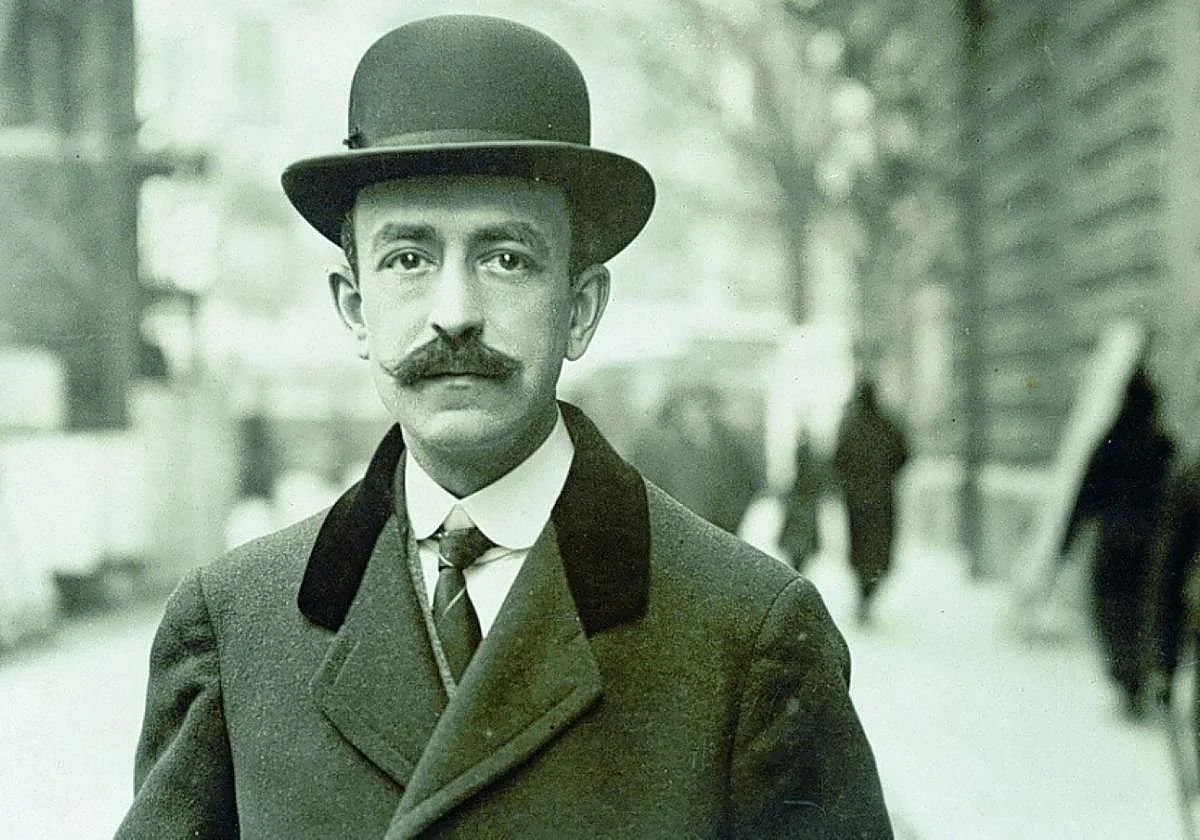
Manuel de Falla influenced several 20th-century composers. SUR Andalusian influencers around the world Manuel de Falla: Defining Spanish music for the worldThe composer was admired across Europe and South America, having a notable impact on several 20th-century classical maestros
Tony Bryant
Friday, 10 April 2026, 12:06
Hailed as Spain's greatest 20th-century composer, Manuel de Falla left his mark on classical music throughout the world by proving that folk traditions could coexist with modern classical forms. This year marks the 150th anniversary of his birth.
He was admired across Europe and South America and had a notable impact on several 20th-century classical maestros. He influenced composers who sought concise forms and authentic folk integration, such as Igor Stravinsky, and the Mexican composer and conductor, Carlos Chávez, both of whom admired De Falla's approach to elevating indigenous and folk elements within modern orchestral scores.
Born in Cadiz in 1876, De Falla is celebrated for shaping Spanish musical identity on the world stage, incorporating the Gypsy flamenco deep songs and traditional Spanish dance rhythms into orchestral and stage works. Among his most famous works are El Sombrero de Tres Picos (The Three-Cornered Hat), El Amor Brujo (The Bewitched Love) and Noches en los Jardines de España (Nights in the Gardens of Spain).
Zoom
He relocated to Paris in 1907, where he became acquainted with a number of classical composers, including Ravel, Debussy and Stravinsky and, to commemorate the anniversary of his birth, more than 23,000 letters from the composer's personal archive have been digitalised, including correspondence with these other composers.
On his return to Spain, he settled in the province of Granada, although following General Franco's victory in the Spanish Civil War, he was exiled to Argentina in 1939, where he continued to write and perform.
After a highly successful run of concerts in Buenos Aires, his health deteriorated due to the climate of the capital city, leading doctors to advise him to move to the mountains. He retired to a house in the Argentine province of Córdoba, where he died of a heart attack on 14 November 1946.
The house where he spent his final years is now the Manuel de Falla museum, dedicated to his life and work during his years in Argentina.