Spanish dining scene to lose 59 distinctions as guide replaces eco-award with new 'Mindful Voices' platform
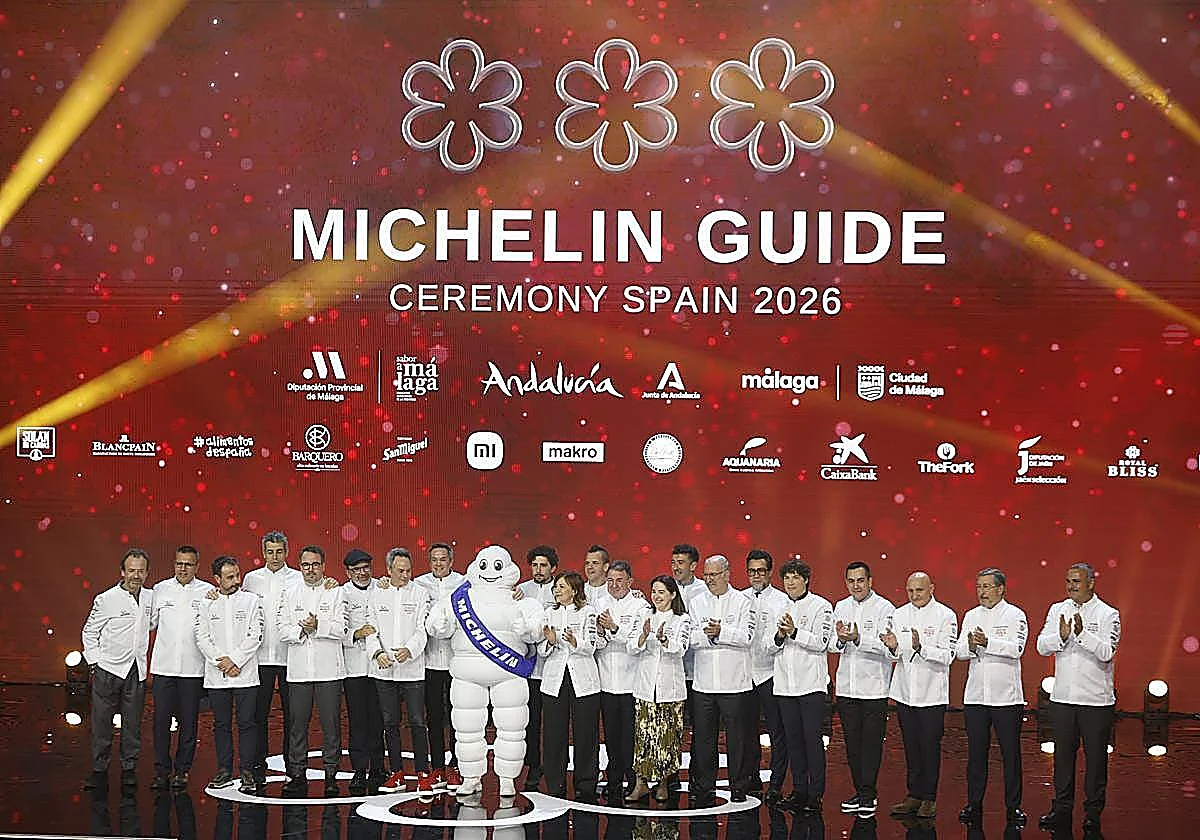
Añádenos en Google Image of the chefs who received three stars during the Michelin Stars 2026 award gala. (EFE) 20/05/2026 a las 08:04h.Spain’s gastronomy sector is set to lose 59 Michelin distinctions in one fell swoop. The iconic "Red Guide" has decided to scrap its Green ... Stars - the award launched in 2020 to recognise restaurants committed to sustainability and eco-friendly practices.
In its place, the French giant is launching 'Mindful Voices', a new editorial platform designed to highlight individuals - rather than specific establishments - who are "rewriting the rules" across gastronomy, hospitality, and viticulture.
The project will officially debut on 1 June at the Nordic Countries Michelin Gala in Copenhagen, before rolling out globally throughout 2026. According to Michelin, this move shifts the focus toward chefs, hoteliers, and producers whose initiatives are "transforming the industry."
The end of the Green Star
The decision marks the end of a category that, while only six years old, had recently come under fire for being ill-defined. Originally intended to champion local sourcing and waste reduction, the Green Star existed as a parallel category to the traditional 1-to-3 star system.
In the 2026 Spanish edition of the guide, 59 restaurants held the Green Star, including recent additions such as Ama, Bakea, and Garena in the Basque Country. Michelin has confirmed that establishments may continue to display the green clover logo until their respective national guides are updated, at which point the distinction will be officially retired.
Narrative vs reality
The strategic pivot suggests a change in philosophy at Michelin HQ. Unlike the classic stars, which rely on rigorous, objective inspections and stable culinary criteria, the Green Star occupied a grey area where "storytelling" often outweighed measurable data.
Industry critics argued that without a concrete system for measuring sustainability, the line between genuine practice and clever marketing was too thin. This created a credibility risk for a brand built on reliability. Furthermore, the public was often confused by the branding, as restaurants could benefit from the "Michelin Star" tag without necessarily meeting the elite technical cooking standards required for a traditional star.
By moving to Mindful Voices, Michelin is embracing a more editorial approach. The focus is no longer on the restaurant as a machine, but on the person and their discourse. It remains to be seen how the industry will react to the loss of a tangible award in exchange for a spot on a "narrative platform."