Health and wellness
Mite hoovers, air purifiers... do they actually work against allergies?A guide to not wasting your money on gadgets for a condition that affects one in four people
Añádenos en Google (Adobe stock)José Carlos Castillo
29/05/2026 a las 11:38h.One in four Spaniards suffers from some form of allergy. According to the Spanish Society of Allergology and Clinical Immunology (SEAIC), 70 per cent of children living in coastal areas are allergic to dust, one of the most widespread triggers, while eight million people in the country are allergic to pollen, making spring anything but their favourite season.
This year has been particularly rough: pollination arrived early and the consequences were swift.
The broader picture offers little comfort. Climate change, rising temperatures and pollution are all factors that, according to Dr Isadora Suárez, head of the Allergy department at Hospital Quirónsalud Barcelona, "encourage pollen production and increase its allergenic capacity."
Against this backdrop, many sufferers turn to devices that promise to ease the season and relieve symptoms ranging from asthma and atopic dermatitis to allergic rhinitis. But do they actually work? We look at them one by one.
Air purifiers
What do they promise?
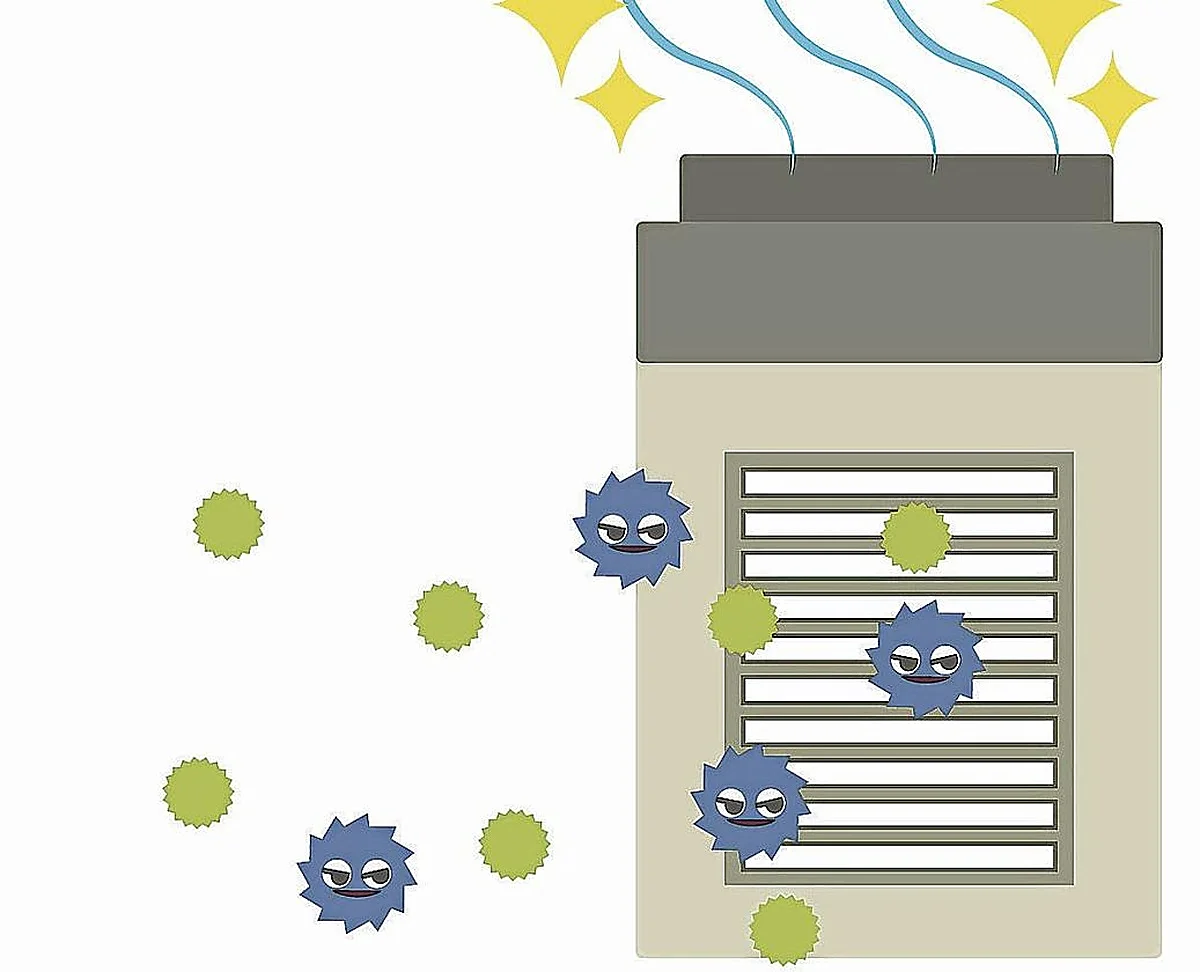
They claim to capture 99 per cent of harmful airborne particles, which, in theory, should improve symptoms associated with allergies to pollen, dust mites, pet dander and dust.
Do they work?
For Pedro Ojeda, chair of the SEAIC Communications Committee, air purifiers fitted with HEPA filters do have a reasonable scientific basis, though their clinical impact should be treated with caution.
"Controlled trials have shown that, while they do reduce the allergen load in the air, this does not always translate into a clear improvement in respiratory symptoms."
The most recent studies, he adds, "suggest a modest effect, for example a certain reduction in the need for medication in allergic rhinitis, but without significant changes in how symptoms are actually perceived."
The key, Ojeda explains, lies in understanding what purifiers can and cannot do. "They only act on allergens suspended in the air, not on those already settled on surfaces, such as domestic dust mites. Their usefulness is therefore greater as part of a broader strategy, combining ventilation and source control, than as a standalone measure."
Mite hoovers
What do they promise?
The most sophisticated models on the market guarantee the elimination of 99.99 per cent of dust mites from surfaces such as upholstery, mattresses, rugs, walls and floors. Some come with added features including heat or ultraviolet light, supposedly ideal for tackling allergens.
Do they work?
The SEAIC notes that "vacuum cleaners with HEPA filters do play a relevant role in reducing allergic symptoms, as they prevent fine particles from being redistributed into the air during cleaning. However, the supposed additional benefit of devices with ultraviolet light or thermal systems has not been clearly demonstrated in well-designed clinical studies."
Rather than investing in sophisticated technology, the Society recommends a thorough and consistent cleaning routine, particularly in bedrooms. "A conventional routine carried out properly, meaning frequent cleaning with effective hoovers, washing bed linen at high temperatures and reducing dust reservoirs, is usually sufficient and considerably more cost-effective."
Phototherapy gadgets
What do they promise?
These devices feature two small light rods that, when inserted into the nostrils for a few minutes, claim to reduce symptoms of allergic rhinitis such as excessive nasal discharge.
Do they work?
Ojeda is cautious. "There are some clinical trials suggesting a possible improvement in rhinitis symptoms, probably due to a local anti-inflammatory effect on the nasal mucosa. However, these studies tend to have small sample sizes and inconsistent methodologies. Furthermore, when compared with well-established treatments such as intranasal corticosteroids or antihistamines, phototherapy has not demonstrated superiority or any sustained, clinically relevant benefit."
Ultrasonic anti-mite devices
What do they promise?
According to their descriptions, these plug-in devices help eliminate and prevent mites in the home without the need for replacement parts, covering spaces of up to 30 square metres.
Do they work?
"This is probably one of the clearest examples of a gap between marketing and scientific evidence," says Ojeda.
"Systematic reviews on environmental mite control using ultrasound show negative or inconclusive results. From a biological standpoint, there is no solid mechanism that would explain how ultrasound could significantly eliminate or disrupt mite populations in mattresses or textiles."
How much pollen is there in the street right now?
For people with pollen allergies, stepping outside in spring can feel like an extreme sport.
It is worth keeping a close eye on the measurements that experts publish, and there are now several good tools to help you do exactly that.
The Spanish Society of Allergology and Clinical Immunology (SEAIC) has developed the initiative called Polen Control, one of the most highly recommended apps for checking pollen levels in your area.
It covers 22 different pollen types and allows users to log their symptoms, giving their doctor useful data that can be cross-referenced with environmental readings to fine-tune treatment.
For those who prefer a browser-based option, sites such as polenes.com offer regularly updated figures broken down by collection station and pollen type.