Sábado, 01 de agosto de 2026 Sáb 01/08/2026
RSS Contacto
MERCADOS
Cargando datos de mercados...
Ciencia

NASA’s Newest Wind Tunnel Opens at NASA Langley

NASA’s Newest Wind Tunnel Opens at NASA Langley
Artículo Completo 204 palabras
On Friday, July 31, 2026, NASA leadership and Virginia government officials opened NASA’s first major new wind tunnel in more than 40 years, the Flight Dynamics Research Facility at NASA’s Langley Research Center in Hampton, Virginia. The state-of-the-art facility will support research and technology development that will advance the agency’s aeronautics, exploration, and science goals, […]

1 min read

NASA’s Newest Wind Tunnel Opens at NASA Langley

HQ Web Team

Jul 31, 2026 Image Article
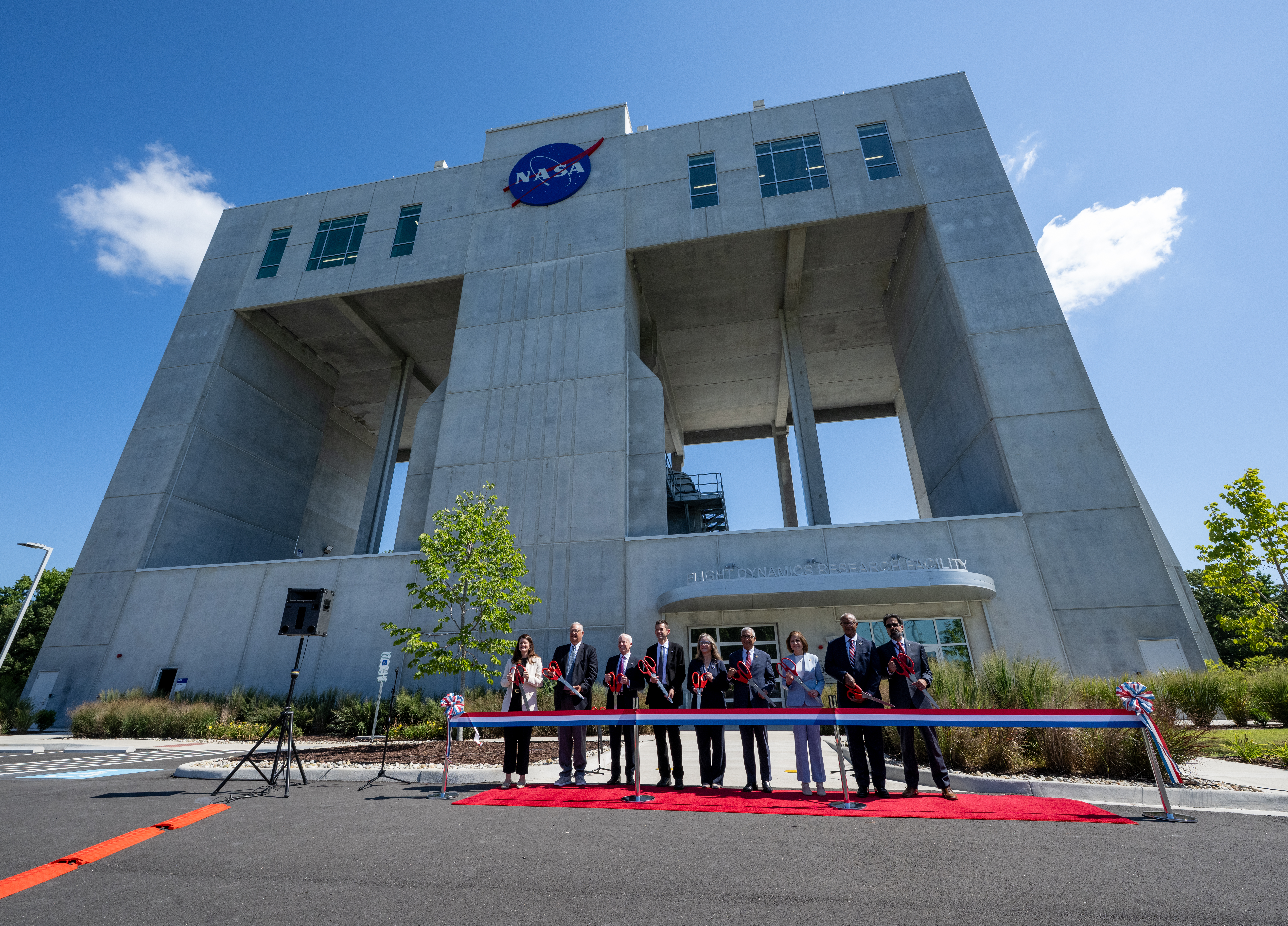
From left to right: Casey Swails, NASA deputy associate administrator; Mike Waller, vice president of BL Harbert International Federal Division; Edward C. Forst, administrator of the U.S. General Services Administration; NASA Administrator Jared Isaacman; Dr. Trina Dyal, director of NASA’s Langley Research Center; Rep. Robert “Bobby” Scott (D-Va.); Virginia Lt. Gov. Ghazala F. Hashmi; Jimmy Gray, mayor, City of Hampton; and Amit Kshatriya, NASA associate administrator, pose for a photo before cutting the ribbon to open the Flight Dynamics Research Facility, NASA’s newest wind tunnel, Friday, July 31, 2026, at NASA’s Langley Research Center in Hampton, Virginia. NASA/Keegan Barber

On Friday, July 31, 2026, NASA leadership and Virginia government officials opened NASA’s first major new wind tunnel in more than 40 years, the Flight Dynamics Research Facility at NASA’s Langley Research Center in Hampton, Virginia.

The state-of-the-art facility will support research and technology development that will advance the agency’s aeronautics, exploration, and science goals, including establishing a sustained human presence on the lunar surface through the Artemis program and the development of a Moon Base.

See more photos from the ribbon-cutting ceremony.

Image credit: NASA/Keegan Barber

Fuente original: Leer en Nasa - Ciencia
Compartir