Zoom
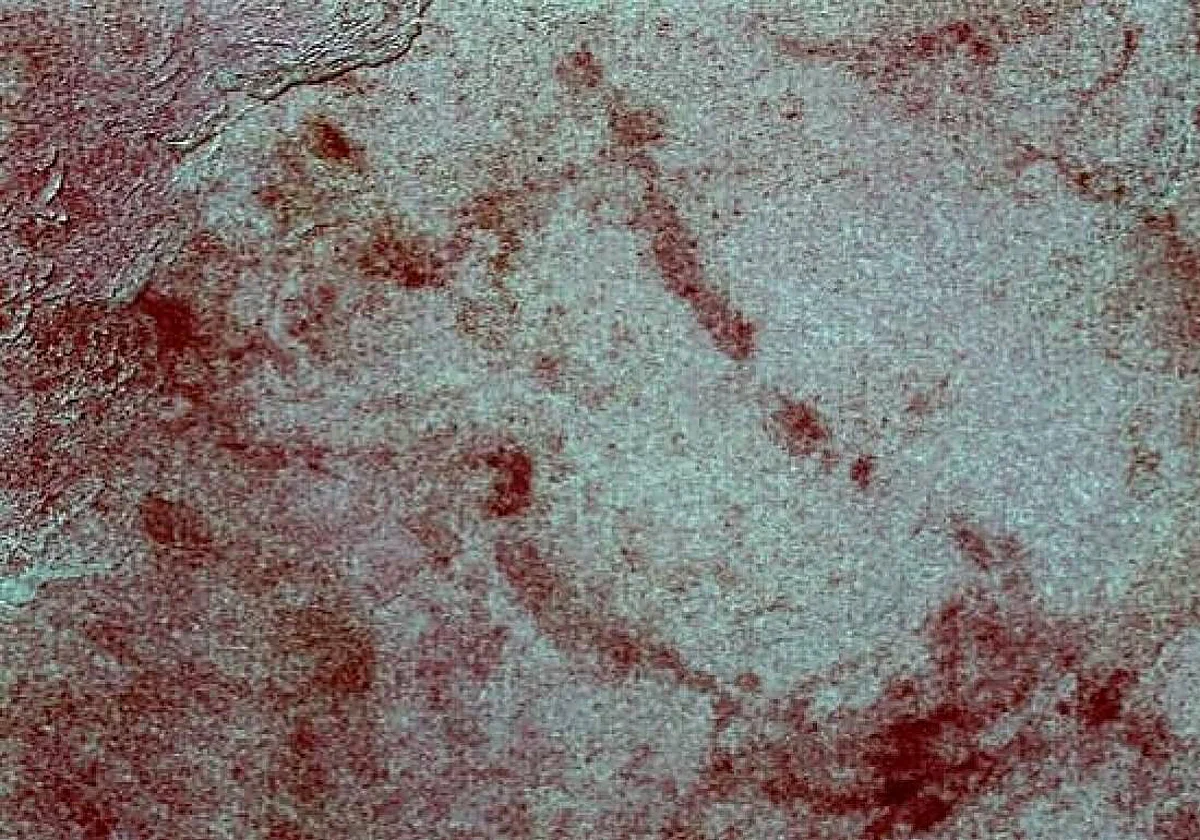
An example of a painting in the Nerja Cave. SUR Art Nerja Cave incorporates 'Art-Point' to show hidden paintingsThe digital resource has been designed to reinforce the candidacy of 12 caves in Malaga province for UNESCO World Heritage status
Monday, 2 March 2026, 16:04
The Nerja Cave on the eastern Costa del Sol has taken a new step in the enhancement of its heritage with the incorporation of an 'Art-Point', a multimedia resource that will allow visitors to access detailed information about the cave inside the historic monument which, for conservation reasons, cannot be included in the usual tour.
The initiative, promoted by the Nerja Cave Foundation through its research institute, is part of strategic action aimed at strengthening the joint candidacy of twelve caves in the province of Malaga for inclusion on the UNESCO World Heritage List.
The new panel, installed in the Plaza de los Descubridores, in the access area to the Nerja Cave, incorporates a QR code that allows access to specific digital content about the prehistoric art. The QR code enables visitors to learn more about the artwork made by the first settlers, many of them located in areas that are difficult to access or particularly fragile.
The Nerja Cave, discovered in 1959, receives hundreds of thousands of visitors every year, attracted by its heritage.
The Foundation emphasises in a statement that the aim is to respond to the growing demand for information from the public and to offer a more complete experience without compromising the conservation of the enclave. The Nerja Cave, discovered in 1959 and considered one of the great references of Palaeolithic art in southern Europe, receives hundreds of thousands of visitors every year, attracted both by its geological value and its archaeological heritage.
The Art-Points project is promoted by the Association of Prehistoric Rock Art Paths (CARP), within the European Cultural Routes sponsored by the European Commission in the framework of the NextGenerationEU funds. This cultural itinerary mobilises around 2.8 million tourists interested in rock art heritage every year.
Contents
In addition to historical and scientific information, the resource offers multimedia content, images, videos and accessibility tools, such as sign language interpretation and support for the visually impaired. The devices and software have been designed specifically for each enclave and their processing is carried out through the Secretary of State for Tourism of the Ministry of Industry and Tourism.
The initiative has also had the support of Nerja town hall's tourism department, establishing also informative connections with the tourist office and the Museum of Nerja, also managed by the Foundation. In this way, the project integrates cultural and tourist promotion, reinforcing the projection of the municipality and the Axarquía area of Malaga province.
The project integrates cultural and tourist promotion, reinforcing the projection of the municipality and the region.
This new resource joins other dissemination tools already in place at the site, such as the virtual reality room, inaugurated in April 2023 , and the exhibition contents of the Nerja Museum, consolidating a strategy that combines research, conservation and dissemination of heritage.
With the incorporation of the Art-Point, the Cueva de Nerja advances in its commitment to digitalisation and accessibility, while reinforcing its international positioning at a key moment for the candidacy for World Heritage, a recognition that would be a cultural and touristic boost of the first order for the Axarquia and the province of Malaga.