Zoom
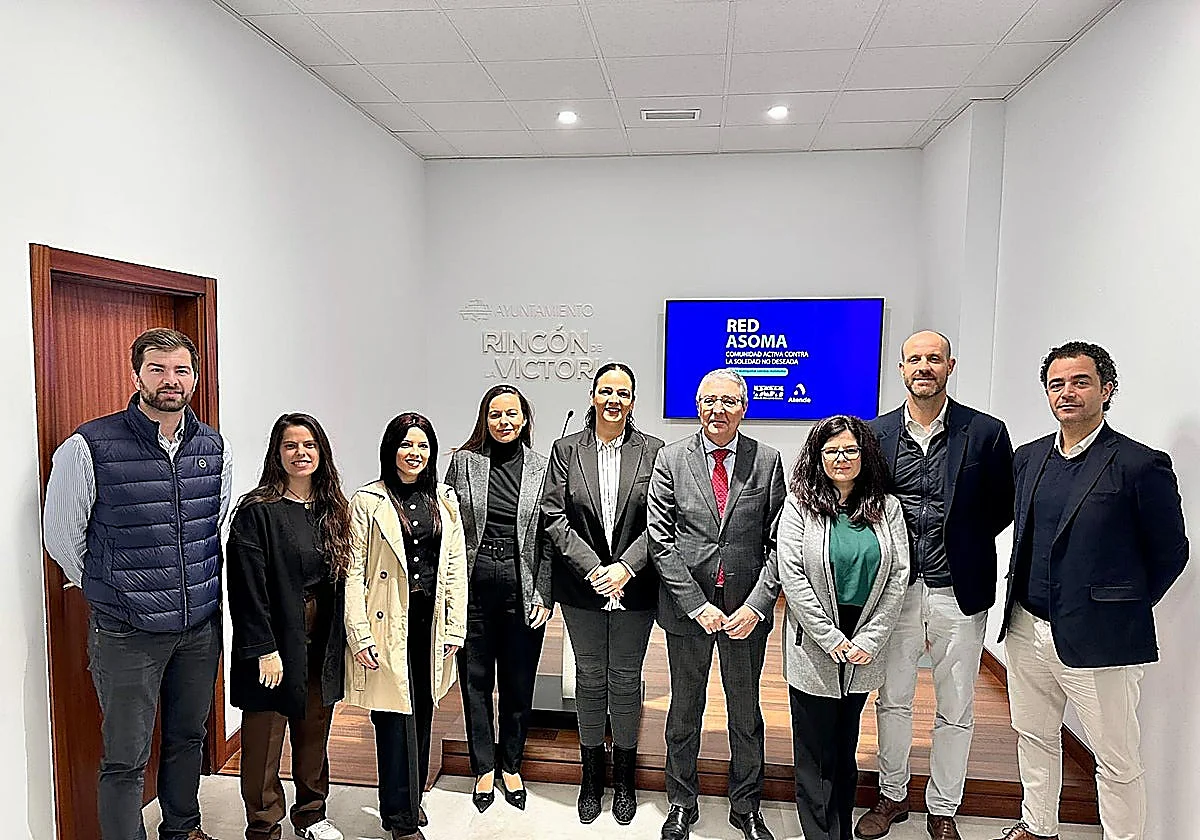
Launch of the Asoma network programme in Rincón de la Victoria SUR Social care Rincón de la Victoria launches 'Asoma' project to combat loneliness in seniorsThe town hall teams up with Atende and Clece to provide emotional support and professional intervention for older residents on the eastern Costa del Sol
SUR
Tuesday, 3 February 2026, 12:32
A NEW initiative to detect and prevent "unwanted loneliness" among the elderly has been launched in Rincón de la Victoria.
The Asoma network (Red Asoma), rolled out by the town hall on the eastern Costa del Sol, aims to provide a safety net for older residents through professional intervention, emotional support, and community integration.
The project is being implemented by Atende, a subsidiary of the social services giant Clece. According to Malaga spokesperson Pablo García, the programme represents a "different way of understanding home care."
"Loneliness isn't always visible or verbalised," García explained. "Asoma isn't just another programme; it’s about giving older adults back their active role within the community."
Mayor of Rincón, Francisco Salado, explained that the project, which is being implemented in other parts of Spain as well, "focuses on the detection, prevention, and addressing of unwanted loneliness in older adults. It combines professional help, emotional support, group activities and connections to local resources".
The company responsible for rolling out the project in Rincón is Atende, a subsidiary of Clece, which is one of the leading social services companies with a presence throughout Spain.
García, said, "At Atende y Clece we have been working with older adults for many years, but also learning from them. That's why we know that loneliness isn't always visible, isn't always verbalised.”
More than 100 professionals have been trained to identify warning signs and activate the appropriate resources in each case. Similarly, another essential pillar of the programme is specialised assessment. The individuals identified have been evaluated by clinical psychologists, who have designed individualised intervention plans.
García added that the programme "connects people with group activities, municipal resources, meeting places, and new opportunities for social interaction. Ultimately, it gives older adults back their active role within the community."