Zoom
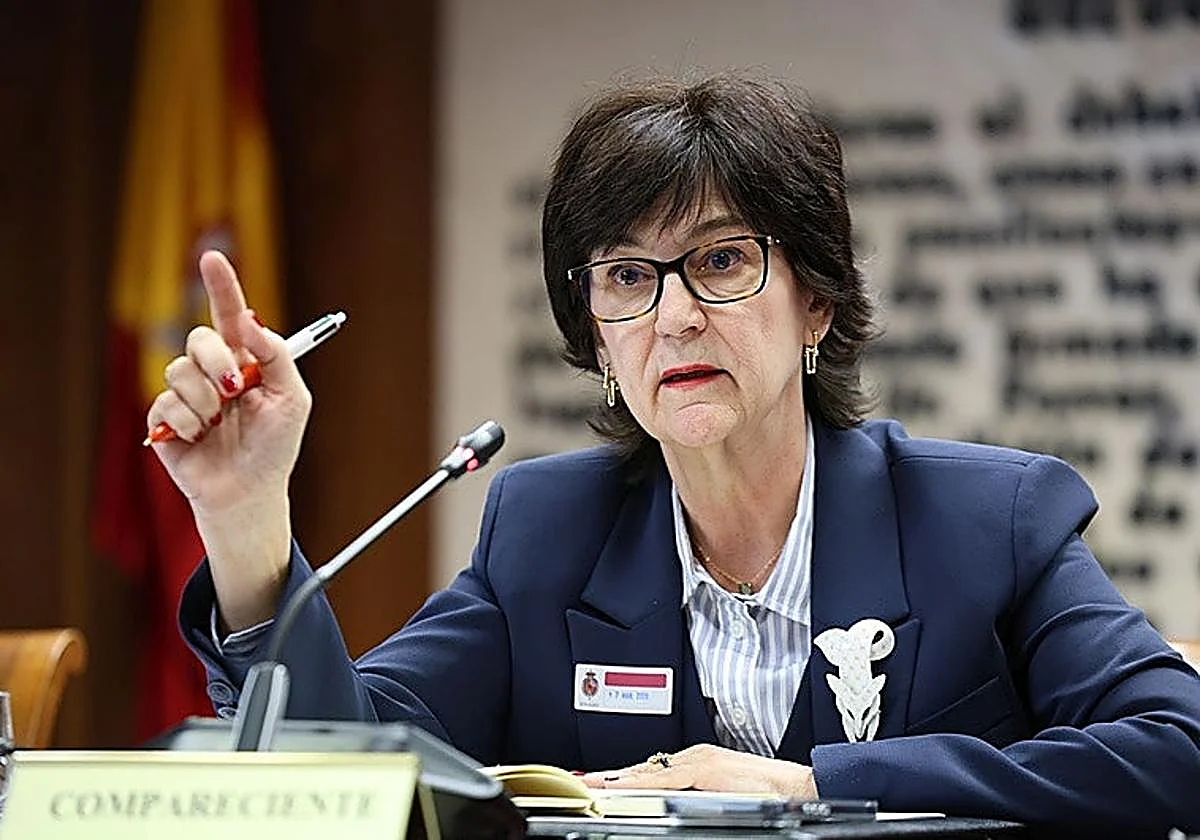
Head of the CNMC Cani Fernández. EP Energy Spain's competition watchdog opens nearly 100 sanctioning proceedings over 2025 blackoutThe CNMC has concluded that the incident on 28 April last year happened due to multiple factors, which has led to investigations into major energy companies
José A. González
Friday, 17 April 2026, 12:45
Just days before the first anniversary of the blackout that left Spain without power on 28 April last year, the competition authorities (CNMC) have announced the formal opening of several sanctioning proceedings for "indications of infringement".
Although the CNMC has not named any specific company, various sources suggest that the proceedings affect a significant portion of the electricity sector, including major players such as Redeia, Iberdrola and Endesa.
Following the incident, the CNMC launched several investigations to analyse the causes of the blackout and determine the circumstances from the perspective of electricity system regulations. The agency, chaired by Cani Fernández, maintains that the event had a "multifactorial" origin.
As a result of the investigation, the regulator has detected "various indications of non-compliance, some persisting for extended periods, which would have affected the operation of the electricity system and could constitute administrative offences".
The competition watchdog has stated that the facts under investigation "do not, in themselves, imply attributing the origin or cause of the blackout to the companies in question", precisely because of the multifactorial nature of the incident. Furthermore, the CNMC says that "the initiation of these proceedings does not determine the final outcome of the investigation".
The procedure has a maximum duration that varies between nine and 18 months, depending on the severity of the infraction. Interested parties may submit opinions and propose any evidence they deem appropriate.
Sources close to the regulator confirm that these are massive investigations, affecting numerous facilities of all types (renewables, combined cycle gas turbines and nuclear power plants) and companies in the electricity sector.
The CNMC is investigating all those the Ministry of Ecological Transition listed in its report, in which only the name of the system operator (Red Eléctrica) appears. The CNMC has opted to "lump everyone together" due to the difficulty of finding conclusive evidence of liability.
Large companies, such as Repsol and Moeve, announced last year that they would file claims for 175 million and 50 million euros, respectively. Major insurers, such as Occident and Mapfre, also said they would seek compensation for the payments they had to make to tens of thousands of customers. The problem was figuring out who to sue.
Next Tuesday, Cani Fernández will appear before the lower house. Before then, the CNMC plans to initiate the first and most significant disciplinary proceedings, so that Fernández can base her appearance on concrete measures.
Spain's electricity system requires profound modernisation
About a month ago, the CNMC published a report on the blackout, in which it concludes that the Spanish electricity system must undertake a profound modernisation to respond to an increasingly demanding environment.
The agency does not point to specific culprits, but it does warn that the grid is under increasing pressure due to the rise in renewable energy, greater operational complexity and voltage volatility.
Although the regulator believes there are sufficient mechanisms to guarantee supply, it also detects shortcomings in key aspects such as efficiency, resilience and system coordination, essential conditions to avoid similar episodes in the future.
The report points a finger at both the system operator and large electricity companies and underlines the need to strengthen voltage control, improve monitoring and adapt regulation to a transforming energy mix.
The CNMC is proposing a series of technical and regulatory measures aimed at strengthening the system's stability and its capacity to respond to disruptions. The underlying message is clear: the blackout was not an isolated incident, but rather a sign of the structural weaknesses of a system that must evolve rapidly to guarantee long-term security of supply.