Zoom
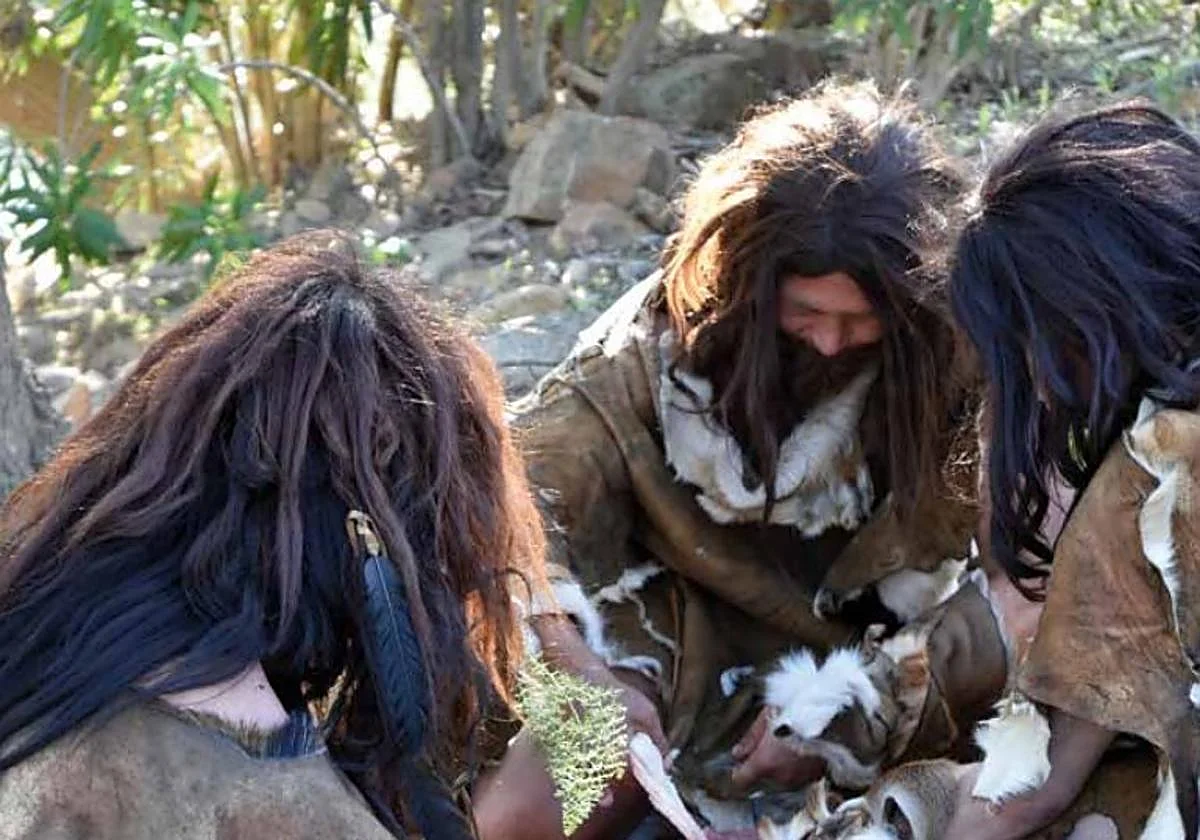
Recreation of Neanderthal man in the book 'Neanderthal Malaga: route through the origins of Malaga'. Spain’s Neanderthal ‘refugee camps’: 47 sites, a unique alphabet and a life between the tidesLandmark study of Málaga’s prehistoric caves reveals a sophisticated society that challenges the ‘brutish’ stereotype
Wednesday, 25 February 2026, 15:34 | Updated 15:42h.
NEANDERTHALS were never numerous, with their global population estimated to have peaked at just 7,000 individuals. Yet, in the caves of Málaga, they left a footprint so dense that experts now believe the region was a vital cradle of human culture.
A new book edited by the Diputación de Málaga synthesises 40 years of research to reclaim the province's status as a Neanderthal "refugee camp". Far from being the "brutish" creatures of popular imagination, the inhabitants of southern Spain led a sophisticated, nomadic life dictated by the seasons and a nascent form of art.
Archaeologist José Ramos argues that while Europe was gripped by extreme cold, the south of Spain offered a "sanctuary" with abundant natural resources. This led to a pattern of "restricted nomadism" that demonstrated high levels of planning:
• Summer retreats: Groups migrated to inland caves - such as Ardales, Pileta, and Zafarraya - to hunt and gather materials for tools.
• Winter havens: During the colder months, they moved to coastal shelters like Bajondillo and Nerja, where they exploited marine resources, including shellfish and fish.
"This capacity for maritime exploitation was once attributed only to Sapiens," says Ramos. "Today we know they were fishing here, which indicates a high level of intelligence."
The discovery of a common 'alphabet'
The most striking revelation of the study is the evidence of symbolic transcendence. In at least ten of the 47 documented sites, paintings and engravings have been dated back to between 42,000 and 65,000 years ago.
Archaeologist Pedro Cantalejo suggests that these were not random markings but a deliberate graphic method. Researchers have identified a "Neanderthal alphabet" consisting of 38 distinct motifs, ranging from simple bars to fan-shaped finger impressions. These markings are often found in deep, inaccessible areas of the caves, suggesting they were intended as a permanent record rather than mere decoration.
"Neanderthals wanted to leave a univocal graphic method in our caves," Cantalejo explains. "This scenario positions Málaga as one of the origins of human culture."
A paradigm shift in prehistory
For years, the shadow of Atapuerca - Spain’s most famous archaeological site - has dominated the narrative of human evolution. However, the Malaga team believes their findings, including potential 100,000-year-old art currently undergoing secondary laboratory testing, could spark an "authentic revolution" in the field.
The study aims to dismantle long-held prejudices, proving that these "noble brutes" possessed language, organised camps, and a profound desire to leave a legacy for the future.