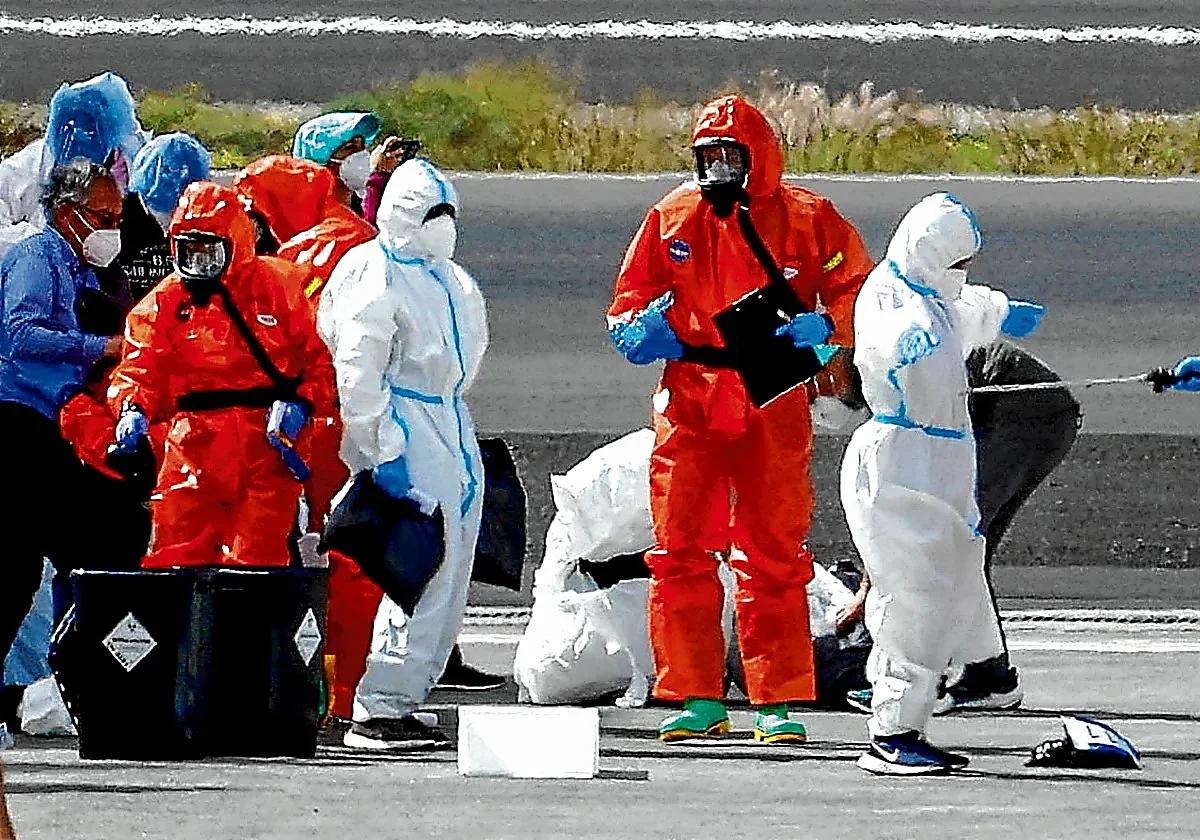
"Ten years after Ebola, Spain has significantly strengthened its capacity to deal with high-risk infectious diseases, with a network of high-level isolation and treatment units, improved clinical protocols, greater diagnostic capacity and more consistent technical communication," the authors conclude.
In response to the threat of "imported highly cytotoxic infectious diseases and cross-border threats", such as "reemerging zoonotic pathogens" like the Andes virus or Ebola, Spain established a network of hospitals for the care of high-risk infectious diseases in 2015. It comprises 24 units "specialised in the management of patients suspected of having severe infectious diseases".
The system can currently accommodate up to 18 high-risk patients in isolation units and includes a microbiology centre capable of diagnosing such diseases within hours.
However, the report also highlights structural weaknesses that complicated Spain's response to the May outbreak. It points to political tensions between central and regional authorities, which hindered real-time coordination and disrupted public communication. This, it says, undermined trust in a unified, technically led response.
Researchers also stress the need to complete a national preparedness and response plan and to fully establish a national public health agency, describing both as urgent priorities. They add that underfunding in the health system directly weakens surveillance and emergency response capacity.
Urgent priorities
The study highlights several unresolved issues. It notes that Spain's emergency health governance framework remains incomplete, including the legal status, governance model and staffing arrangements for the coordinating body. Officials initially set a six-month deadline to resolve these matters, which now expires in August 2026.
It warns that an "incomplete operational framework" cannot provide the independent, technically led command structure required during fast-moving public health emergencies, like the Covid-19 pandemic.
The authors identify three urgent priorities: completing and stress-testing the national emergency health action plan against realistic scenarios; developing a clear and effective risk communication and community engagement strategy; and strengthening Spain's role in promoting international operational guidance for high-risk infectious diseases, not only pandemic frameworks.
Consistent communication
The study also addresses the importance of effective communication during public health crises, noting that it "influences public trust and compliance with protective measures".
"Communication management and community engagement during Spain's response to Ebola revealed significant shortcomings in two key areas: the inadequate handling of information," the study says.
Did the same happen with hantavirus? No. In this case, the report highlights "more consistent technical communication and important lessons learnt from pandemic management".
Review public health, medical care and clinical news