Zoom
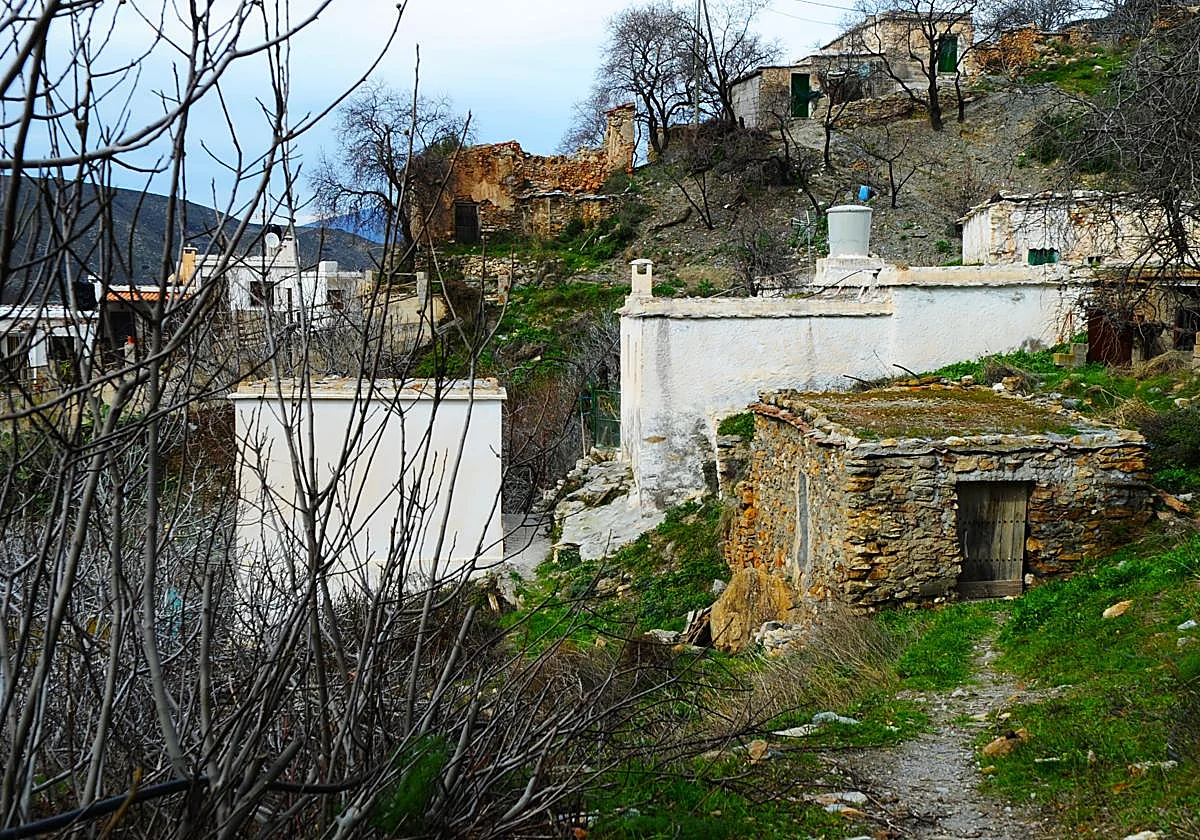
State of the streets of Bagís. Rafael Vílchez Andalusian villages The village in Granada's Alpujarra that has no drinking water and its streets are unpavedThe hamlet of Bargís, part of the Alpujarra municipality of Órgiva, which suffered severe depopulation years ago, is almost completely cut off
Rafael Vílchez
Thursday, 15 January 2026, 15:31
The village of Bargís in Granada province's Alpujarra still isn't connected to the mains water supply and its streets are still unpaved. Access to the village is also poor, which makes daily life and connection to the outside difficult for the few people that live there permanently. However, on the upside, Bargís is supplied with water from several springs and peace, less pollution and a more relaxed lifestyle are guaranteed.
Bargís Alto is home to three permanent residents and Bargís Bajo is fairly popular with tourists. Some of the houses are rented out to visitors and people with roots and properties in the village visit at weekends and during holiday periods.
Bargís Alto is also home to a chapel dedicated to the Virgen del Rosario. It was also once home to more than 150 inhabitants, had schools, two taverns, a mill, several shepherds, pigs, turkeys, rabbits, chickens.
Bargís belongs to the municipality of Órgiva and is located on the northern slopes of the Sierra de la Contraviesa, on the slopes of the Loma de Rubite. Its origins are connected to the Taha de Suhail, an ancient medieval farmhouse dedicated to agriculture and livestock, dating back to Spain's Islamic period. It is now divided into Bargís Alto and Bajo and preserves traces of its past, which are a point of interest for hikers, archaeologists and photographers.
There was a church in Bargís Bajo which is now little more than a ruin. The cemetery next to the church is still there but not very well kept. In Bargís Bajo there are also Roman remains.
Now the locals are calling on the authorities for improvements in order to attract newcomers. They say that three decades ago a businessperson wanted to invest in this village, but when the entrepreneur realised that the village wasn't connected to the mains water supply and didn't have a good connection with the Órgiva-Albuñol road, they gave up their attempt to create a around 12 Alpujarran rural cottages, but with all the comforts of modern life.