Zoom
MS La Belle de Cadix combines river and sea itineraries. ABC Andalusian escapade A leisurely experience along the GuadalquivirIconic sites and natural landscapes are revealed in a whole new light when viewed from the river
Tony Bryant
Friday, 20 February 2026, 13:00
Andalucía is a region of striking contrasts and exceptional natural beauty, offering those looking for an adventurous escapade unique experiences, especially along routes that trace the paths of its rivers. Among these, the Guadalquivir, the only major navigable river in Spain, stands out as the longest river (657 km) in Andalucía. It flows through Cordoba and Seville and reaches the sea at Sanlúcar de Barrameda, flowing into the Gulf of Cadiz - making it an ideal choice for a leisurely river cruise.
River cruises offer a peaceful way to take in the beauty of the scenery between Seville and Cadiz, far from the crowds and hubbub of mass tourism.
New dimension
Seville's iconic landmarks reveal a new dimension when seen from the river, particularly at dusk. Historic monuments like La Giralda, El Torre del Oro and the towers of Plaza de España rise majestically against the evening sky.
There are several specialised cruises along the Guadalquivir, which on leaving Seville, pass fields of cotton and rice and the Doñana biosphere nature reserve. The journey from Seville to Cadiz by river cruise typically ranges from eight to ten hours, depending on weather, tides and the number of stops included in the itinerary.
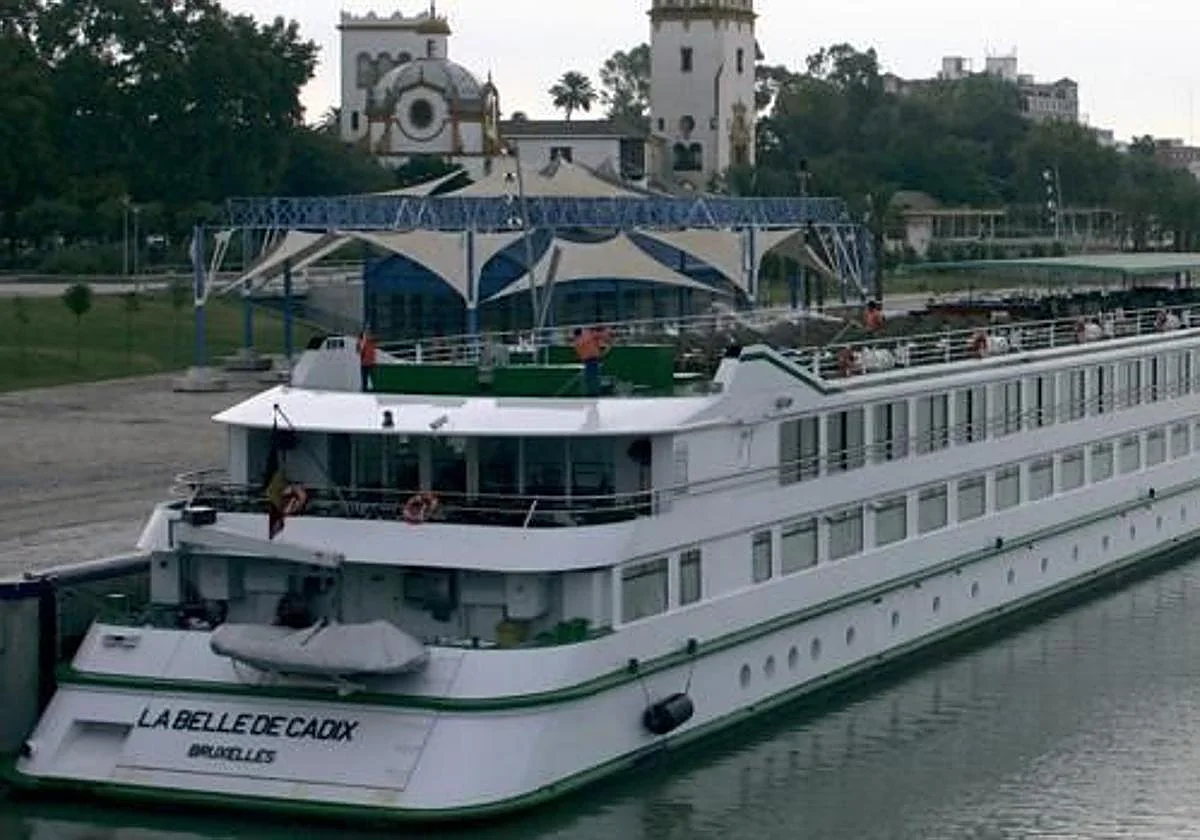
Some tours operate as day trips, while others offer multi-day packages. One of the most popular is the MS La Belle de Cadix, the only ship to combine river and sea itineraries.
Built in 2005 and renovated in 2016, La Belle de Cadix is a 2038-tonne ship with three passenger decks and 88 cabins. With a length of 110 metres, it has a passenger capacity of 176 people and offers a solarium with sun loungers, a piano bar, dining room, lounge with dance floor, swimming pool and a jacuzzi.
The historic sites and points of interest along the route are brought to life through commentary from knowledgeable Spanish- and English-speaking guides, ensuring passengers get the most out of the experience.
Zoom
Land of water
Offering panoramic views from its upper deck, the ship follows a route that winds from Seville to Cadiz's historic port of El Puerto de Santa María, with stops at ports like Isla Mínima, and Isla Mayor, often called the "land of water"
Nestled in the heart of the Guadalquivir marshes and near the Doñana national park, Isla Mayor stands out as one of the most distinctive natural destinations in the province of Seville. It offers singular wetland landscapes, making it an ideal haven for visitors seeking peace, nature and unspoiled surroundings.
The nearby Isla Mínima estate maintains the area's livestock and agricultural traditions in a setting that blends history, nature and bullfighting culture.
Founded in the late 1930s, this spectacular estate was dedicated to breeding fighting bulls and Carthusian horses. Among its greatest treasures is a bullring called La Pequeña Maestranza (the little Maestranza), so named for its striking resemblance to the Royal Maestranza of Seville.
On its final leg of the outward journey, the cruise heads towards Sanlúcar de Barrameda, and the final stop in El Puerto de Santa María in Cadiz.
This part of the journey is particularly appealing to those who enjoy fine wines and exceptional seafood.
Situated at the mouth of the Guadalquivir, Sanlúcar de Barrameda has in its natural environment and in its climate numerous treasures to offer visitors. One of the most renowned is the culinary richness of its sherry heritage and exquisite seafood, especially its famous white prawns, caught using traditional methods in the Gulf of Cadiz.