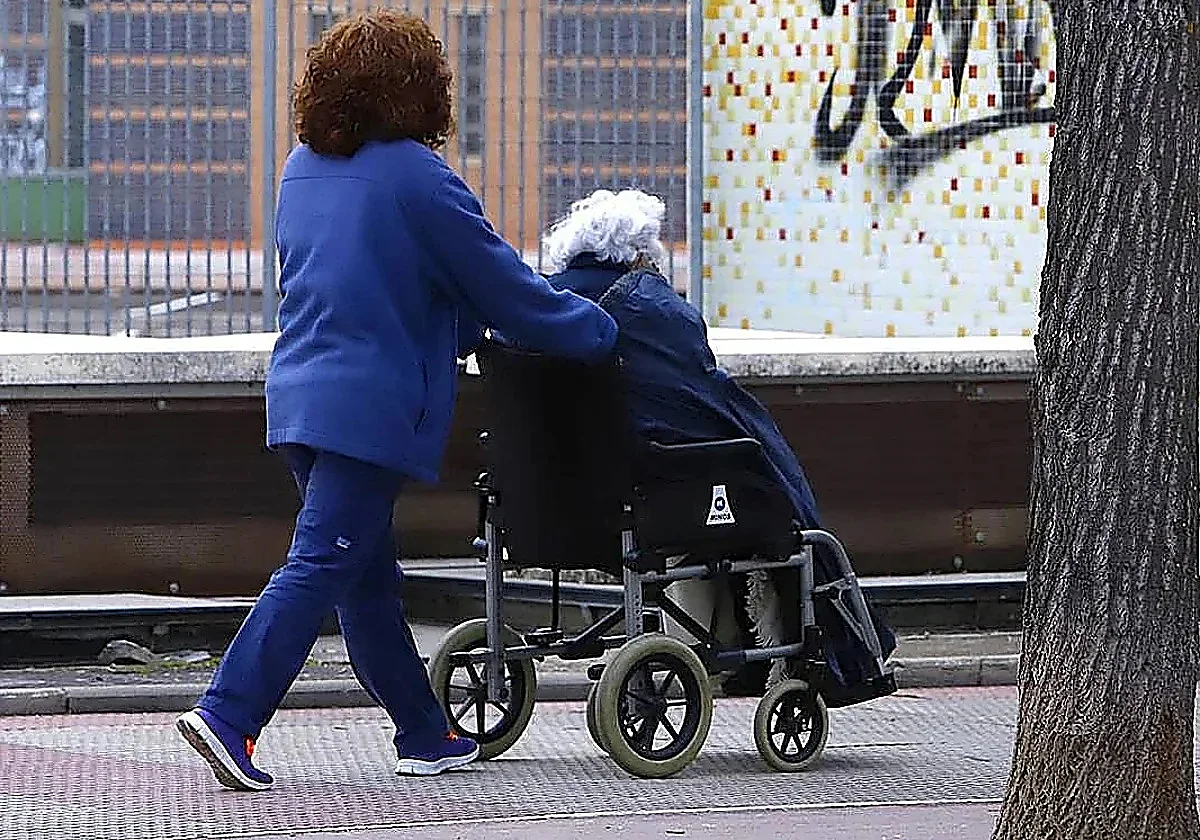
The provincial court partially upheld her claim. In a judgment from 13 February 2026, the court increased compensation from 77,476.51 to 112,233.33 euros after concluding that the consequences of the accident proved more serious than first assessed, particularly in relation to loss of quality of life, the need for assistance and dependency on third-party care.
The court reviewed the real impact of the injuries beyond medical reports and traffic compensation, focusing on how the accident affected the daily life of an elderly woman who had previously managed independently.
The ruling notes that, a year before the accident, social services had refused to recognise the victim as dependent due to her good health. On that basis, the court examined each of her claims against the insurer Generali, which covered the accident damages.
The victim argued that the first-instance court failed to include certain injuries and undervalued others. She requested recognition of an additional hip pain injury, a higher assessment of aesthetic damage, classification of her loss of quality of life as severe, and full compensation for care costs and third-party assistance.
The court rejected some of these arguments. It upheld the lower court's decision not to recognise a post-traumatic left hip condition, after weighing conflicting expert reports and finding no clear error in the original assessment. The judges stressed that an appeal cannot simply replace one expert view with another and only allows correction where an error appears "patent, obvious or manifest".
The court also refused to increase the aesthetic damage award, finding that surgical scars, given their evolution, the claimant's age and her personal circumstances, correctly fell within the moderate category.
Loss of quality of life
The decisive change came with the assessment of loss of quality of life.
The first-instance ruling had classified the damage as moderate. The provincial court disagreed and explained that the law distinguishes levels of harm depending on how injuries affect a victim's autonomy.
Severe loss applies when a person can no longer carry out essential daily activities or loses most opportunities for personal development.
The court pointed out that the woman now needs a wheelchair to move, requires assistance to use the bathroom and struggles with dressing, toileting, stairs and uneven surfaces. These limitations, the ruling states, show a significant loss of independence in several essential aspects of daily life.
That reclassification ultimately led to the increase in compensation.
For 112 news click here