Crime
Malaga police dismantle network smuggling Cuban migrants into Europe and arrest seven peopleThe network allegedly facilitated the entry through Serbia of at least 40 Cubans in exchange for 3,000 euros per person
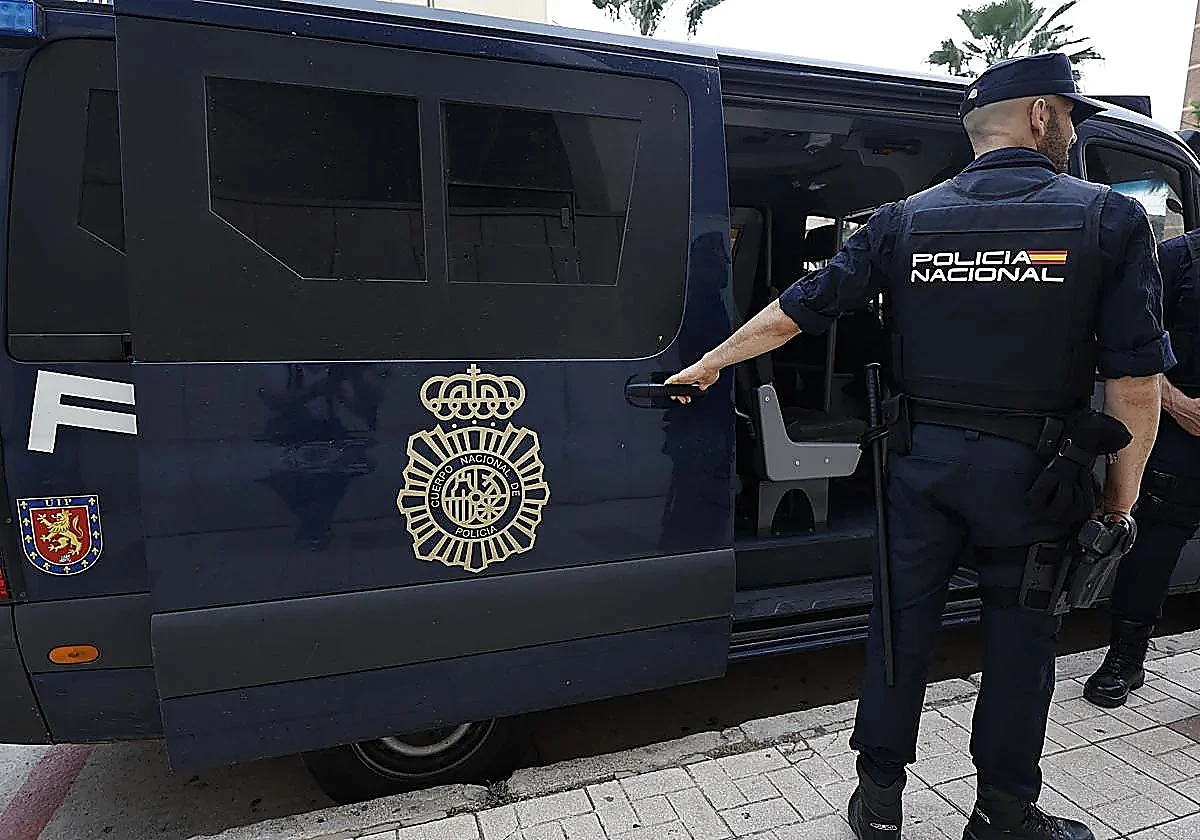
Añádenos en Google Archive photo of the National Police in Malaga. (Salvador Salas)EP
28/05/2026 a las 08:04h.Spain's National Police, working alongside Europol and the Serbian police, have dismantled an international criminal network operating in both Spain and Serbia that allegedly facilitated the illegal entry of at least 40 Cuban nationals into Spain in exchange for around 3,000 euros each.
The operation resulted in eight arrests in Spain: seven in Malaga province and one in Zamora. In Malaga, police made six arrests in Torremolinos and one in Alhaurín de la Torre. Investigators said the operation remains ongoing and they have not ruled out further arrests.
According to a police statement, the migrants first flew to Belgrade before travelling overland to Spain through North Macedonia, Greece, Italy and France.
Before leaving Cuba, they received what the organisation described as a "travel package", including flights to Belgrade, invitation letters for entry into Serbia, medical insurance and hotel reservations.
Police launched the investigation after gathering several witness statements. Detectives discovered that members of the criminal network received migrants in Belgrade before transporting them by road through North Macedonia and into Greece in order to enter the Schengen area.
Once in Greece, the migrants continued on to Spain intending to settle in the country and apply for international protection "while circumventing European and Spanish immigration regulations governing entry, transit and residency", according to the investigators.
Migrants abandoned during the journey
The investigation found that, in some cases, the criminal network exploited migrants' vulnerable circumstances and abandoned them upon arrival in North Macedonia. Some migrants, including families travelling with children, reportedly found themselves without food, communication or even basic hygiene conditions.
The investigators said the network operated a highly structured organisation that included safe houses and accommodation in Serbia lacking minimum living standards. The group allegedly crammed migrants into these properties and restricted their freedom of movement through threats, taking advantage of their vulnerable situation.
In Spain, members of the network allegedly managed the "final stage of the migration route", transporting migrants mainly to Malaga province, where they received instructions on how to regularise their immigration status.
'Lost' passports
To regularise their situation, migrants allegedly reported their passports as lost in order to remove evidence of their irregular entry into Europe through Serbia. According to the police, this tactic aimed to avoid jeopardising any future asylum applications in Spain.
After obtaining replacement passports, the migrants reportedly claimed during asylum interviews that they had only recently arrived in Spain in order to qualify for protection.
The investigators have identified 27 separate incidents of facilitating illegal immigration through this method since 2021. At least 40 people allegedly entered Spain using the network's services in exchange for payments of around 3,000 euros.
To avoid detection, the organisation allegedly created a complex payment network using Spanish and foreign bank accounts, international transfers, payment apps and cryptocurrencies.
The police detected 2,252 money transfers sent to suspects based in Spain, amounting to a total of 380,775 euros.
As part of the operation, the police carried out four house searches and inspected a hospitality business in Malaga province. They seized 9,070 euros in cash, 7,120 Cuban pesos, two imitation firearms, two mobile phones, 24 bank cards and various documents.
The authorities have also frozen and blocked 28 bank accounts and financial products as part of the investigation.