Miércoles, 22 de abril de 2026 Mié 22/04/2026
RSS Contacto
MERCADOS
Cargando datos de mercados...
Internacional

Malaga province families to demand more resources for 30,000 schoolchildren with special needs

Malaga province families to demand more resources for 30,000 schoolchildren with special needs
Artículo Completo 600 palabras
The association for neurodiversity is calling a demonstration for "dignified inclusion", with trained staff in classrooms and a number of children that ensures each student receives attention according to their needs

Zoom

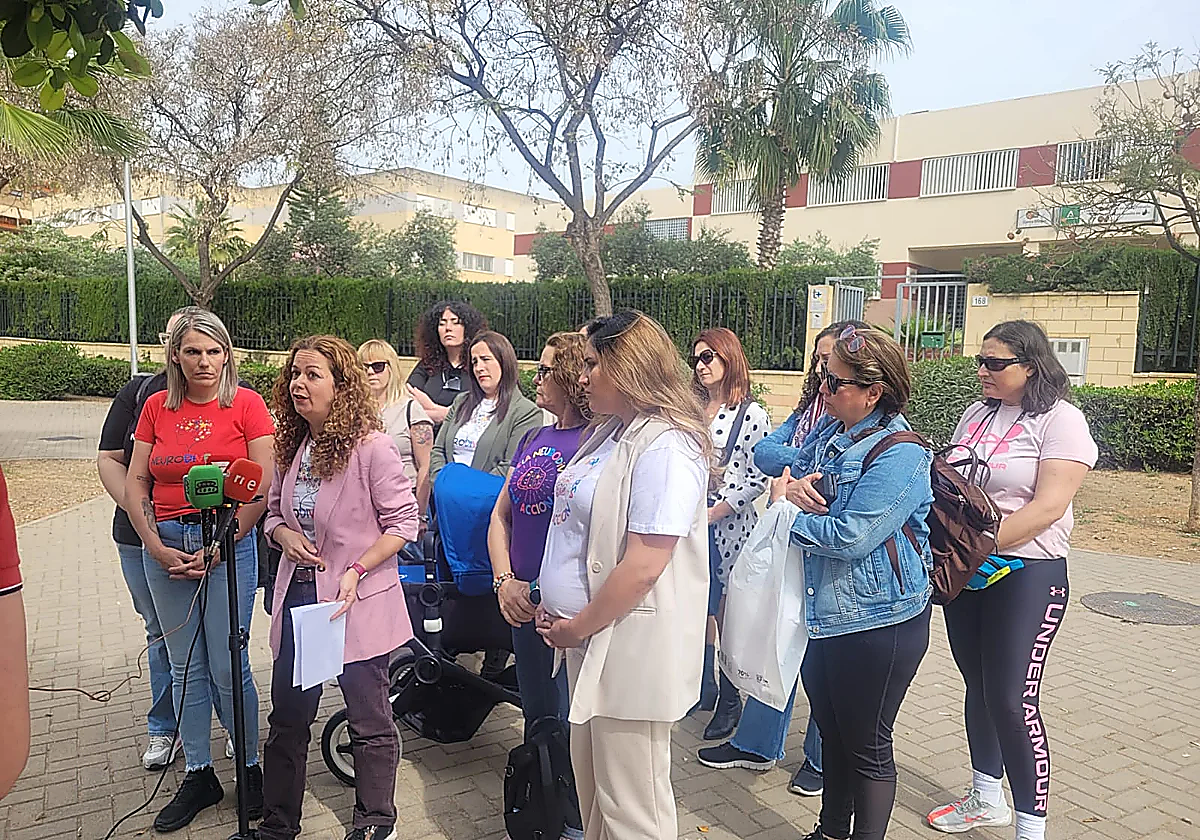
The organisers of the demonstration in Malaga speaking before the press. SUR Education Malaga province families to demand more resources for 30,000 schoolchildren with special needs

The association for neurodiversity is calling a demonstration for "dignified inclusion", with trained staff in classrooms and a number of children that ensures each student receives attention according to their needs

José Rodríguez Cámara

Wednesday, 22 April 2026, 16:36

Share

The Plataforma Neurodiverso association, using official 2024-2025 data from Andalucía as a reference, says that there are at least 29,971 children with special educational support needs in Malaga province. Bureaucratic language uses the acronym NEAE for students with such needs.

NEAE includes students with high intellectual abilities or those facing late integration into the Spanish education system (for example, newly arrived immigrants), as well as those with special educational needs (Sen) due to, among other things, a disability or serious communication and language disorders. The number of NEAE students in the previous academic year was 16,603, as Neurodiverso reports.

The regional government estimates that there are 2,342 professionals who work to support students with special educational needs. On average, this equates to 12.7 students per professional. However, as President of Neudiverso Lorena Romero Moreno, says there is no officially established ratio. Furthermore, it's not simply a matter of distributing children, as, for support to be effective, it often needs to be personalised or provided in very small groups.

Related story

According to Romero, classroom resources for children with autism, mobility difficulties or speech impairments are insufficient and even less so since the introduction of management models such as shared staff across different schools, which means that, at best, "children receive an hour of support per week".

The actual average, she says, is around 50 children per member of this essential support staff. This is the situation under the integration model, that is, where pupils, whatever their circumstances, share a classroom. Then there are the specialised classes which, in the association's view, "have become play centres" more often than not: those who attend, Romero criticises, "are entertained" rather than educated.

There is another related issue: the loss of educational opportunities beyond basic education, which is provided in specialised centres or classrooms and does not follow the same curriculum as compulsory secondary education.

Added to this are concerns about the role of the "shadow teacher" - a staff member who accompanies students and whose services families can access through private associations, representing an additional expense that not all households can afford. Theoretically, public employees were supposed to do this work, starting in 2027, but this change is not yet finalised, adding another layer of concern.

The regional ministry, while respecting the demands, defends "an unprecedented effort" in addressing diversity, with a sustained increase in resources. It provides figures such as the 658 professionals, including counsellors, special education teachers, speech and language therapists and social integration technicians, representing a 39.1% increase compared to 2018.

In addition, it highlights, among other data, 299 specialised classrooms, 37 of which are for students with autism spectrum disorder, and new services such as emotional well-being support, as well as improvements in working conditions.

Improvements

Through the Programa para Zonas de Transformación Social (ZTS), a total of 267 professionals have joined this academic year, including 60 guidance counsellors and 207 teachers.

Alongside them, the remaining additional staff comprise 122 secondary school teachers; 32 specialising in Digitalización y Escuela 4.0; 40 vocational training teachers; and 26 specialists in Pedagogía Terapéutica y Audición y Lenguaje.

In total, these 634 teachers for the province of Malaga account for 20% of the total increase in resources in Andalucía. In turn, the Programa de Cooperación Territorial is providing 147 professionals to support core subjects.

Fuente original: Leer en Diario Sur - Ultima hora
Compartir