2 min read
MicrobiologyJeff Brief
Dec 16, 2025 ArticleContents
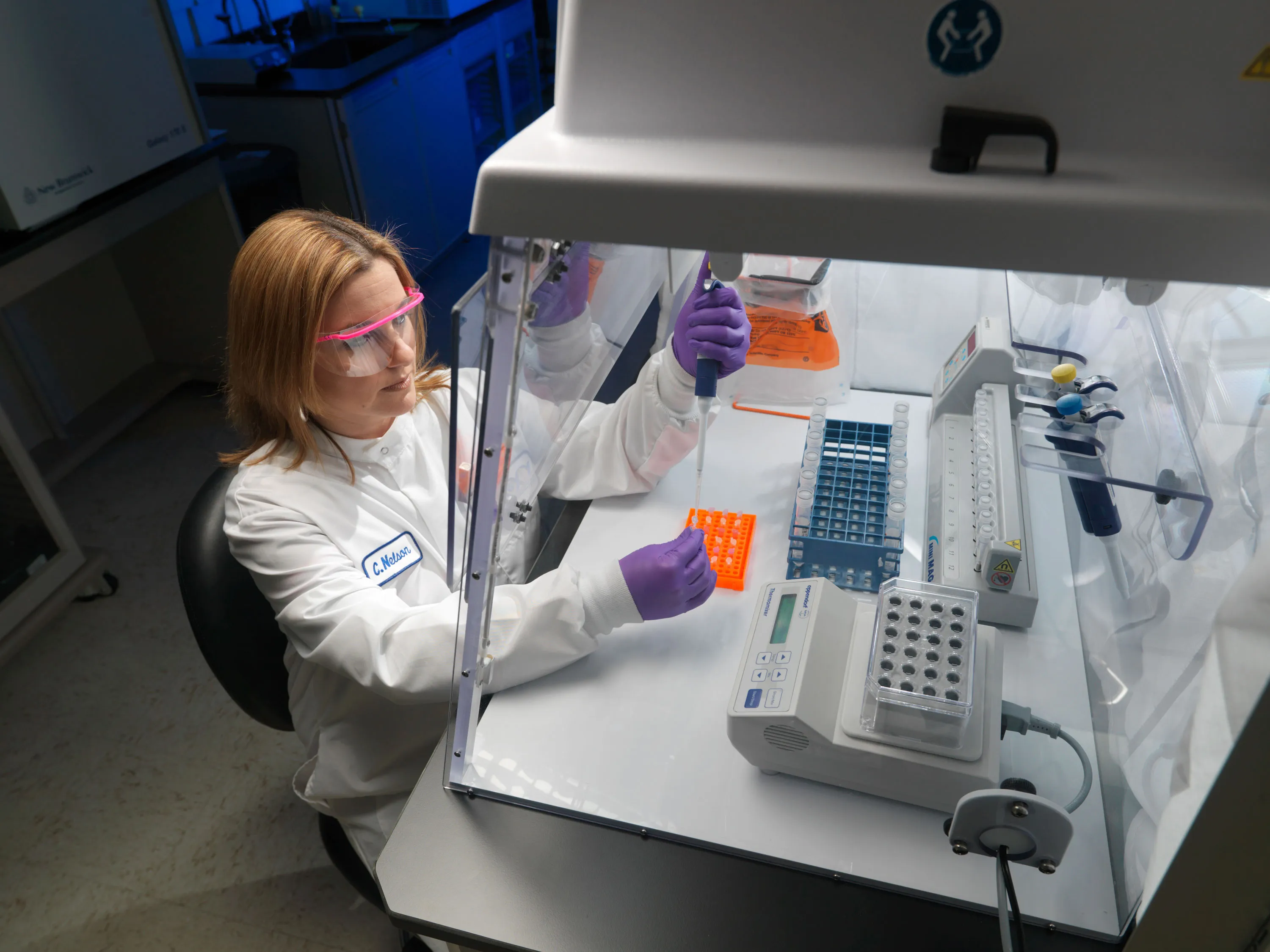
- Microbiology Laboratory at JSC NASA.
Microorganisms and Spaceflight
Spaceflight poses a risk of adverse health effects due to the interactions between microorganisms, their hosts, and their environment. The JSC Microbiology team addresses the benefits and risks related to microorganisms, including infectious disease, allergens, environmental and food contamination, and the impacts of changes in environmental and human microbial ecology aboard spacecraft. The team includes certified medical technologists, environmental microbiologists, mycologists, and biosafety professionals.
The JSC Microbiology laboratory is a critical component of the Human Health and Performance Directorate and is responsible for addressing crew health and environmental issues related to microbial infection, allergens, and contamination. This responsibility is achieved by operational monitoring and investigative research using classical microbiological, advanced molecular, and immunohistochemical techniques. This research has resulted in a significant number of presentations and peer-reviewed publications contributing to the field of Microbiology with articles in journals such as Infection and Immunity, Journal of Infectious Disease and Applied and Environmental Microbiology, Nature Reviews Microbiology, and Proceedings of the National Academies of Science.
Fun Fact: Microorganisms display unexpected responses when grown in the spaceflight environment compared to otherwise identically grown microbes on Earth.
NASA
Christian Castro is streaking bacteria to be characterized using a variety of culture media. Photo Date: May 29, 2018. Location: Building 21 – Microbiology Lab. NASAKeeping Crew-members Safe
As a functional part of the Crew Health Care System and in support of Environmental Control and Life Support Systems engineers, the Microbiology Laboratory team defines requirements, coordinates and analyzes microbial sampling, and analysis of air, surface, and water samples. These environmental samples, including preflight and in-flight samples, re-analyzed to ensure that microorganisms do not adversely affect crew health or system performance.
Microbiologists also serve as team members when anomalous events occur that might affect crew health or life support systems operations. Spaceflight food samples also are evaluated preflight to decrease the risk of infectious disease to the crew.
A crewmember identifies unknown environmental microbes aboard the ISS through DNA sequencing. NASATechnology and Hardware
- ABI DNA sequencer
- Illumina MiSeq desktop sequencer
- Oxford Nanopore Technologies MinION DNA / RNA sequencers
- Agilent Bioanalyzer
- VITEK 2 Microbial Identification
- Space analogue bioreactors
Points of Contact
Mark Ott, PhD
Sarah Wallace, PhD
Hang Nguyen, PhD
Human Health and Performance CapabilitiesShare
Details
Last Updated Dec 16, 2025 EditorRobert E. LewisLocationJohnson Space CenterRelated Terms
Explore More
4 min readSpace Radiation
Article 3 years ago 5 min readToxicology and Environmental Chemistry
Article 1 hour ago 2 min readAcoustics and Noise Control
Article 3 years ago Keep ExploringDiscover More Topics From NASA
Humans In Space
Missions
International Space Station
Solar System